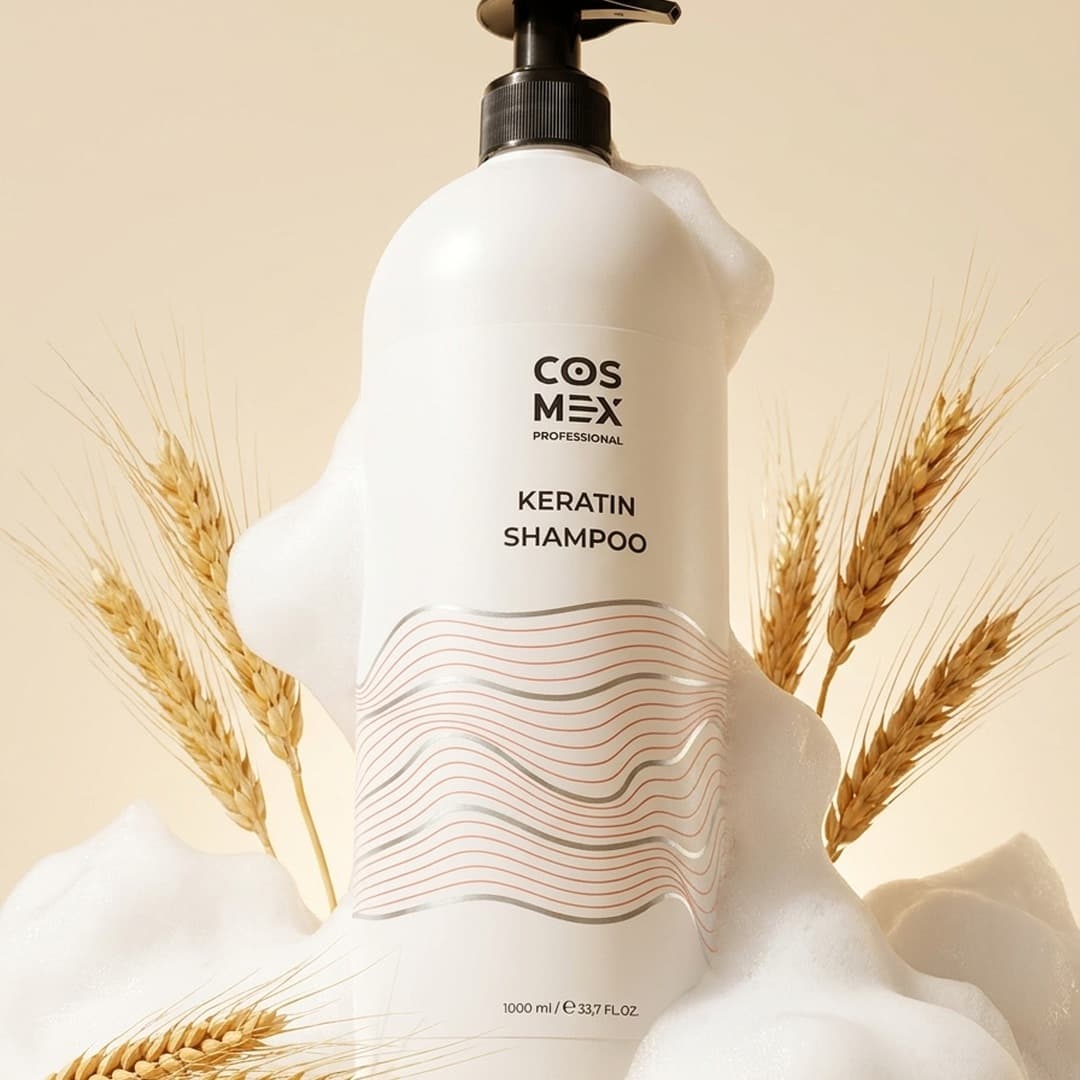
Розмариновое масло — одно из немногих народных средств, у которого есть честное клиническое исследование с препаратом-эталоном. В 2015 году в журнале Skinmed вышло сравнительное испытание: розмариновое эфирное масло против миноксидила 2% при андрогенной алопеции. Шесть месяцев, 100 человек. Результат — статистически одинаковая прибавка волос в обеих группах, при этом в розмариновой меньше людей жаловались на зуд кожи головы. Это не значит, что розмарин — «натуральный миноксидил», но это значит, что он точно не пустышка. Давайте разберём по-честному, что он делает, кому реально подходит и как им пользоваться, чтобы не сжечь кожу головы.
Коротко, если нет времени читать
- Розмариновое масло — одно из немногих растительных средств с сравнительным исследованием против миноксидила 2% (Skinmed, 2015): через 6 месяцев прирост волос статистически одинаковый.
- Работает за счёт улучшения микроциркуляции в коже головы и антимикробного действия — фолликул получает больше кислорода и меньше воспаления.
- Эфирное масло чистым не наносят — только в разведении 1–2% в базовом (миндальное, кокосовое, жожоба). На голую кожу — это химический ожог.
- Эффект — игра вдолгую: 4–6 месяцев регулярного применения 2–3 раза в неделю.
- Не работает при тяжёлой алопеции, рубцовых формах и при дефицитах (ферритин, B12, D) — там сначала к врачу.
Что говорит наука
Серьёзное исследование одно, но качественное. Panahi и соавт., Skinmed 2015 (PMID 25842469): 100 человек с андрогенной алопецией, 6 месяцев. Половина наносила раствор розмаринового масла дважды в день, вторая — миноксидил 2%. Через полгода в обеих группах достоверно выросло количество волос относительно исходной точки — а главное, различий между группами не было. Бонус — в розмариновой группе реже жаловались на зуд (на 25% меньше).
Что это значит на практике:
- Это не реклама розмарина и не «победа над миноксидилом». Миноксидил 2% — самая слабая концентрация (стандарт сейчас — 5% у мужчин), и сравнение с ним не означает эквивалентности с 5% версией.
- Это значит, что розмариновое масло — не плацебо. У него есть рабочий механизм, который, как минимум, не уступает мягкому фармакологическому средству.
Гипотеза механизма (поддерживается рядом invitro-исследований): розмарин улучшает микроциркуляцию в коже головы и подавляет 5-альфа-редуктазу — фермент, который превращает тестостерон в DHT (главный виновник андрогенной алопеции). То есть он работает в той же физиологической точке, что и финастерид, только мягче и снаружи.
Что розмариновое масло реально делает
- Усиливает приток крови к фолликулу. Активные молекулы — карнозол, розмариновая кислота, 1,8-цинеол — расширяют капилляры в коже головы. Это значит, фолликул получает больше кислорода и питания на стадии анагена (роста). А чем длиннее анаген — тем длиннее волос успеет дорасти.
- Снижает воспаление кожи головы. Розмарин — мощный антиоксидант. На раздражённой, шелушащейся коже волос не растёт нормально — там вечная микро-воспалительная реакция, которая укорачивает фазу роста. Розмарин её гасит.
- Антимикробное действие. Подавляет Malassezia (грибок, который даёт перхоть) и условно-патогенную флору. Это полезно, если у вас одновременно тонкие волосы и сальная кожа с лёгкой себореей.
- Стимулирует фолликул через холодок-эффект. 1,8-цинеол даёт лёгкое ощущение прохлады при нанесении — это активирует TRPM8-рецепторы и косвенно — клеточный обмен в коже.
Чего розмарин не делает
- Не отращивает волосы при тяжёлой алопеции. Если у вас уже выраженная III–IV стадия андрогенной алопеции (по Норвуду или Людвигу), розмарин — поддержка, но не основное лечение. Тут нужен миноксидил 5% и/или финастерид, и решает это трихолог.
- Не работает при рубцовых формах. При фолликулярном плоском лишае, лобной фиброзирующей алопеции и других рубцовых формах луковица уже разрушена, и никакое масло её не вернёт. Это всегда к дерматологу.
- Не компенсирует дефициты. Если у вас низкий ферритин (запас железа), дефицит B12, витамина D или белка — никакой розмарин не отрастит волосы, пока вы это не закроете. Об этом отдельно — в статье про алопецию и в разборе шампуня от выпадения. Готовые средства — в подборке от выпадения волос.
- Не даёт эффекта за неделю. Волос растёт около 1 см в месяц, и заметные изменения видны на сроке 4–6 месяцев минимум. Раньше — нечего обсуждать.
Как пользоваться правильно
Розмарин в косметике встречается в двух формах: эфирное масло (концентрат, 5–10 мл во флакончике с пипеткой) и готовая сыворотка/тоник с розмарином (где он уже разведён до безопасной концентрации). Это не одно и то же по способу применения.
Эфирное масло
Чистое розмариновое эфирное масло на кожу в чистом виде не наносится — это сильный концентрат, можно получить ожог и сенсибилизацию. Правильная схема:
- Разведение 1–2% в базовом масле. Базовое — миндальное, жожоба, кокосовое, авокадо. На 10 мл базы — 2–4 капли розмарина.
- Нанести на кожу головы, не на длину. Розмарин работает с фолликулом, а не с длиной. Длине отдельно — аргановое масло или сквалан.
- Массаж 3–5 минут. Подушечками пальцев, по проборам. Массаж сам по себе разгоняет кровь — это часть терапии.
- Выдержать 20–40 минут под полотенцем, смыть бессульфатным шампунем. Можно оставить на ночь — но имейте в виду, что 1,8-цинеол сильно пахнет, спать рядом с близкими неуютно.
- 2–3 раза в неделю, 4–6 месяцев минимум.
Готовые продукты
В готовых продуктах розмарин уже разведён до безопасной концентрации (обычно 0.5–1%) и часто сочетается с другими активами для роста — кофеином, ниацинамидом, пептидами. Это удобнее, не нужно ничего разводить, ниже риск передозировки. Если не хотите заморачиваться с пипетками — это ваш вариант.
Кому розмариновое масло точно подойдёт
- При ранней андрогенной алопеции I–II стадии — как поддержка или альтернатива при непереносимости миноксидила.
- При диффузном выпадении на фоне стресса или сезонных колебаний — поддержать кожу головы и микроциркуляцию.
- При сальной коже головы с лёгкой себореей — антимикробный эффект кстати.
- Тем, кто уже использует миноксидил и хочет добавить «второй слой» — научных противопоказаний к сочетанию нет.
Кому не стоит
- При беременности и кормлении — эфирные масла в этот период не используют без согласования с врачом.
- При эпилепсии — 1,8-цинеол потенциально снижает порог судорожной активности (риск низкий, но он есть).
- При гипертонии — розмарин традиционно считается «тонизирующим», у гипотоников помогает, гипертоникам — лучше согласовать.
- При аллергии на растения семейства яснотковых (мята, шалфей, лаванда, базилик) — высокая вероятность перекрёстной реакции.
Перед первым применением — обязательный тест на чувствительность: каплю готовой смеси на сгиб локтя, подождать 24 часа. Если нет покраснения, зуда, отёка — можно на голову.
В каких средствах Cosmex есть розмарин
- Розмариновое эфирное масло — концентрат, разводить в базовом масле.
- Шампуни и сыворотки с комплексом «розмарин + кофеин» — готовые формулы для ежедневного ухода. Розмарин уже в безопасной концентрации.
Если коротко: розмариновое масло — это один из самых научно обоснованных растительных активов для волос. Но это поддержка, а не лечение. При серьёзных формах выпадения он будет в схеме, не вместо неё.