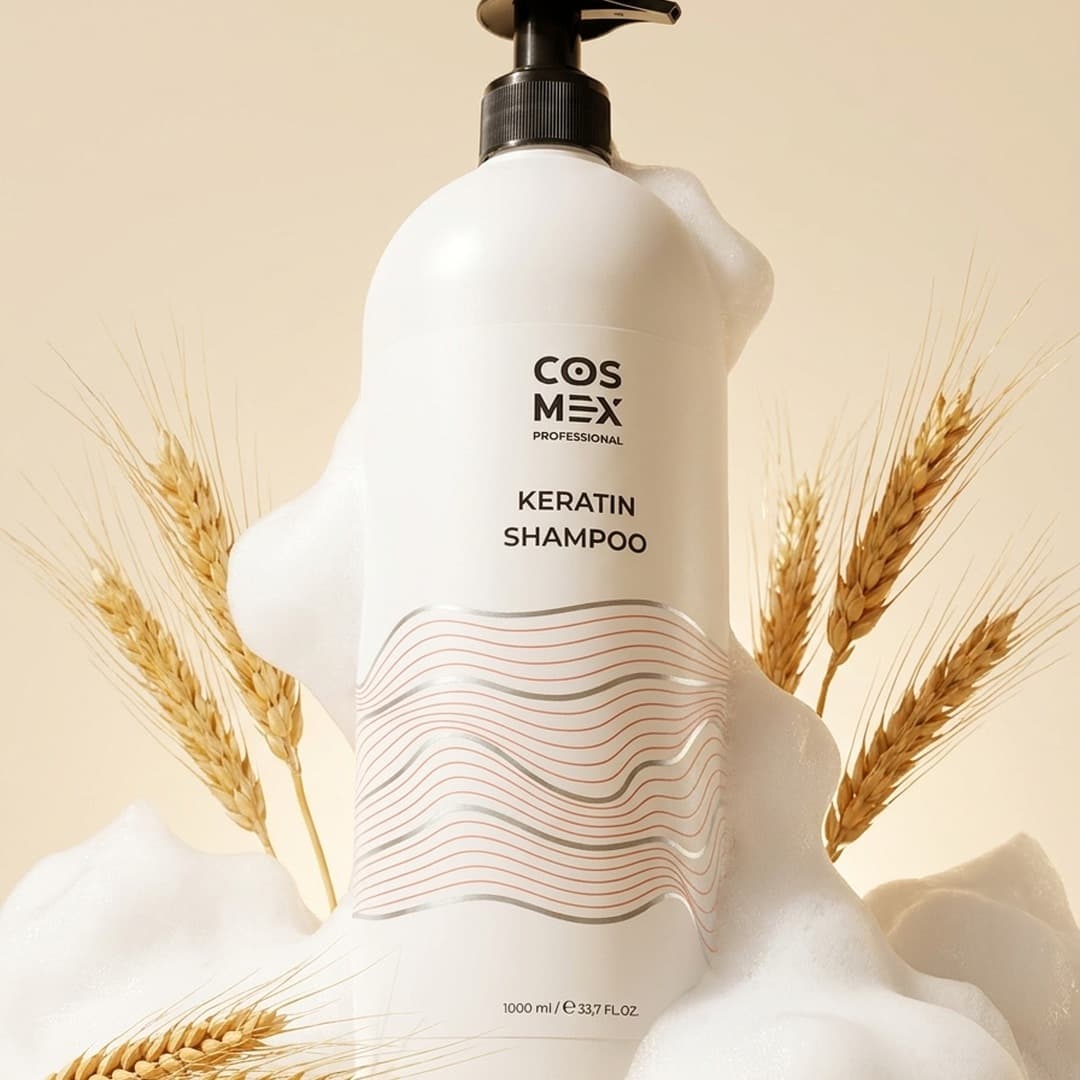
Несмываемый крем-спрей «17 в 1» звучит как маркетинг — и почти всегда так и есть. Но иногда — нет. Разбираемся, что вообще может уметь один продукт с несмываемой текстурой, какие функции из «17 в 1» реальные, а какие — маркетинговая накачка, и когда крем-спрей действительно стоит флакона на полке.
Коротко, если нет времени читать
- Несмываемый крем-спрей — это жидкий бальзам + сыворотка + термозащита в одном флаконе. Наносится после мытья на влажные волосы, не смывается.
- «17 в 1» означает 17 заявленных функций. Реально работают 6–8 — остальные маркетинговая упаковка.
- Главные рабочие функции: облегчение расчёсывания, термозащита, увлажнение, антистатик, мягкость, защита от УФ.
- Это финиш, а не основной уход. Не отменяет шампунь, бальзам и маску — дополняет их.
- Подходит почти всем волосам, кроме очень тонких и склонных к жирности корней — там утяжелит.
Что такое крем-спрей и зачем он нужен
После мытья волос делают два-три шага: шампунь → бальзам/маска (смывается) → может быть, сыворотка на длину. Несмываемый крем-спрей — это дополнительный финишный шаг, который остаётся на волосах до следующего мытья.
Он берёт на себя то, что не успевает сделать бальзам:
- Облегчает расчёсывание влажных волос. Пористые и спутанные волосы после мытья рвутся при расчёсывании — крем-спрей создаёт скольжение.
- Защищает от термостайлинга. Фен, утюжок, плойка — главные виновники секущихся кончиков. Крем-спрей создаёт термобарьер до 230°C.
- Снимает статику в холодное время и на синтетических подушках.
- Уплотняет кутикулу на день — волос гладкий и блестит дольше.
- УФ-фильтр — летнее солнце выжигает пигмент окрашенных волос и пересушивает кератин.
Что значит «17 в 1»
Маркетологи часто пакуют под одну цифру всё подряд: облегчает расчёсывание, питает, защищает, увлажняет, кондиционирует, восстанавливает, дисциплинирует, придаёт блеск, мягкость, эластичность, защищает от УФ, ускоряет сушку, защищает цвет, антистатик, термозащита, добавляет объём, восстанавливает кончики. Это и есть «17».
Из них реально работают:
- Облегчение расчёсывания ✅
- Термозащита ✅
- Антистатик ✅
- Увлажнение длины ✅
- УФ-защита (если в составе есть фильтр) ✅
- Мягкость и блеск ✅
- Защита цвета (косвенно, через закрытие кутикулы) ✅
Сомнительные:
- Объём — крем-спрей скорее утяжелит, чем поднимет корень.
- «Восстанавливает кончики» — косметически склеивает, не лечит.
- Ускоряет сушку — субъективное ощущение, измерить сложно.
Маркетинговые:
- «Питает» — без указания, чем и куда.
- «Дисциплинирует» — то же, что облегчает расчёсывание.
- «Защищает от загрязнений» — нет такого механизма.
Реальная польза — в первых 6–7 функциях, и этого уже достаточно, чтобы крем-спрей стоял на полке.
Что внутри хорошего крем-спрея
Активы для увлажнения и кондиционирования
- Пантенол (B5) — гумектант, втягивает влагу. Подробнее — пантенол для волос.
- Гидролизованный кератин — заполняет микротрещины кутикулы. См. разбор кератина.
- Гидролизованный коллаген — увлажняет и придаёт плотность. См. коллаген для волос.
- Гидролизованный шёлк — лёгкий протеин, блеск и эластичность. См. гидролизованный шёлк.
- Глицерин, бетаин — увлажнители, удерживают влагу.
Активы для термозащиты
- Силиконы (циклометикон, диметиконол, амодиметикон) — создают тонкую плёнку, которая отражает часть тепла.
- Кватеризованные силиконы (Polyquaternium-37, -55) — закрепляются на волосе и работают весь день.
- Гидролизованные протеины — частично связывают воду в кутикуле и снижают потерю влаги при нагреве.
Антистатики
- Кватернизованные полимеры (Polyquaternium-серии) — нейтрализуют статический заряд.
- Бегеновая кислота — натуральный антистатик из растительных масел.
УФ-фильтры
- Бензофенон-3, -4 — стандартные фильтры в волосной косметике (на коже их в высоких концентрациях избегают).
- Этилгексил метоксициннамат — рабочий вариант.

Как пользоваться правильно
На влажные волосы
- Слегка промокните полотенцем — крем-спрей лучше распределяется по «влажным», а не «мокрым» волосам.
- 3–5 пшиков на расстоянии 20 см.
- Распределите расчёской с редкими зубьями от середины к кончикам.
- На длину, не на корни — иначе быстро становится жирной голова.
На сухие волосы
- 1–2 пшика на ладонь, разотрите и пройдитесь по длине.
- Используйте как «свежий взгляд» в течение дня — для блеска и снятия статики.
- Не нужно много: лёгкий слой — это лёгкие волосы; передоз — это утяжеление.
Перед термостайлингом
- Обязательно на влажные волосы. На сухие крем-спрей перед утюжком — это горячая силиконовая корка.
- 4–5 пшиков на длину, расчёска, фен.
Кому крем-спрей подходит, кому нет
| Тип волос | Подходит? |
|---|---|
| Сухие, ломкие, окрашенные | Да, отлично |
| Длинные, спутанные после мытья | Да, обязательно |
| Окрашенные, осветлённые | Да, защита цвета |
| Тонкие, склонные к жирности корней | С осторожностью, минимальная дозировка только на длину |
| Очень кудрявые | Подойдёт, плюс отдельный гель для кудрей |
| Жирная кожа головы, нормальная длина | Можно, только на длину, не у корней |
| Очень повреждённые после осветления | Да, плюс маска 2 раза в неделю |
Не путать с другими «несмываемыми»
- Несмываемое сухое масло (Satin Touch 7 in 1) — на основе летучих силиконов и сухих масел. Подробнее в статье про сыворотки для волос.
- Несмываемая сыворотка для блеска — более концентрированный продукт, дозировка 1–2 капли, не пшики.
- Спрей-термозащита — узкоспециализированный продукт только для термостайлинга, без увлажняющей функции.
Крем-спрей — это универсал-середняк между этими тремя. Удобен, когда не хочется собирать систему из 4 отдельных средств.
Что есть у Cosmex
- Cosmex Cream-Spray Leave-in 17 in 1 — основная универсальная версия. Подходит большинству.
- Cosmex Cream-Spray Leave-in Keratin — с кератином, для повреждённых и окрашенных волос.
- Cosmex Cream-Spray Leave-in Collagen — с коллагеном, для уплотнения тонких волос.
- Cosmex Botox спрей 17 in spray — несмываемый с ботокс-эффектом, для повреждённых волос.
Если волосы повреждены сильно, крем-спрей не заменит маску — нужно сочетание: маска раз в неделю + крем-спрей после каждого мытья.
Частые мифы и ошибки
- «17 функций — это много». Все 17 не работают одновременно — реально 6–8. Это нормально и достаточно.
- «Можно не использовать бальзам, если есть крем-спрей». Нельзя. Бальзам закрывает кутикулу сразу после шампуня, до того как волос «закрывается» и впитывает воду. Крем-спрей — это следующий шаг.
- «Крем-спрей вреден, потому что не смывается». Нет. Современные несмываемые формулы рассчитаны на нанесение и удаление с обычным мытьём. Накопления не будет.
- «На корни тоже надо — для объёма». Не надо. На корни = жирная голова через 6 часов. Только на длину и кончики.
- «Чем больше пшиков — тем лучше уход». Передоз = тяжёлые волосы и быстрая потеря свежести. 3–5 пшиков для средней длины — оптимум.
Другие форматы несмываемого ухода — в подборке спреев для волос.
Если коротко: несмываемый крем-спрей 17-в-1 — это удобная упаковка нескольких рабочих функций в одном флаконе. Не магия, но реально облегчает жизнь между мытьём и стайлингом.