"I have alopecia" sounds like a verdict. In reality, the word covers not one condition but several very different ones — from reversible thinning after stress to hereditary hair loss. That distinction matters, because the type determines what will help and what will simply drain your wallet. Let's work through this calmly and plainly.
First, Take a Breath: What's Actually Normal
Losing 80–100 hairs a day is perfectly normal. Every hair follows a cycle: it grows for several years, then briefly "rests" and falls out, while a new hair begins growing from the same follicle. At any given moment, roughly one in ten hairs is in the resting phase and about to shed — those are the hairs you see on your brush.
Alopecia is worth considering when thinning becomes visible: your part widens, your scalp starts showing through, patches or bald spots appear, or shedding spikes sharply and doesn't ease up after two or three months. Most forms of alopecia involve a disrupted cycle — either too many hairs enter the resting phase at once, or the growth phase shortens and hairs never reach their full potential.
Androgenetic: The Most Common Story
This is hereditary thinning, and it affects both women and men. The mechanism works like this: some follicles are genetically sensitive to the hormone DHT. Under its influence, with each new cycle the hair grows progressively finer, shorter, and lighter — until it fades into barely visible fuzz. In women this looks like thinning along the part with the frontal hairline intact; in men it shows up as a receding hairline and a thinning crown.
Here's the honest part: cosmetics do not treat this type of alopecia. This is a case where only clinically proven medical treatments work, and a trichologist is the right person to discuss those with you. There is good news, though — topical hair care can help maintain scalp health and the condition of your remaining hair, and we'll get to that below.
Telogen Effluvium: "It Started Falling Out After…"
Sound familiar? You went through severe stress, a fever, childbirth, or a crash diet — and then two months later your hair started coming out in handfuls. That's telogen effluvium: the shock pushed a large share of hairs into the resting phase simultaneously, and two to three months later they all shed at once.
The key thing to know: this is almost always reversible. Once the trigger is gone, growth typically recovers over several months. So what helps here isn't products — it's addressing the root cause: improving nutrition, sleep, and correcting any deficiencies.
On Iron — Without the Myths
Iron deficiency is often cited as the leading cause of hair loss in women. The truth is more nuanced: some studies have linked low ferritin (iron stores) to chronic shedding, while others found no difference compared to women without hair loss. The right takeaway: it's worth checking your ferritin and bringing it up if it's low (which benefits your overall health anyway), but don't expect iron alone to fix everything. It's one factor, not a magic switch.
Alopecia Areata and Scarring Alopecia — See a Doctor Immediately
- Alopecia areata — round, smooth bald patches; this is an autoimmune reaction. A dermatologist is essential, and there are effective modern treatments available.
- Scarring alopecia — the follicle is destroyed and replaced by scar tissue, so hair cannot regrow there. Time is critical — see a specialist without delay.
These forms are not something to experiment on with hair care products. They require professional medical attention.
What to Do First
- Don't panic, and don't stockpile "hair loss cures."
- Get blood work done: ferritin, TSH (thyroid), vitamin D, total protein.
- See a trichologist or dermatologist — especially if you notice patches, itching, redness, or rapid progression.
- Establish a gentle scalp care routine as a supportive measure.
How Cosmex Supports Hair During Shedding
Hair care is no substitute for medical treatment, but it can support your scalp and lengths while treatment is underway. Cosmetic science has been studying scalp-active ingredients — caffeine, rosemary oil, peptides. These are areas of research, not promises: cosmetics do not treat alopecia.
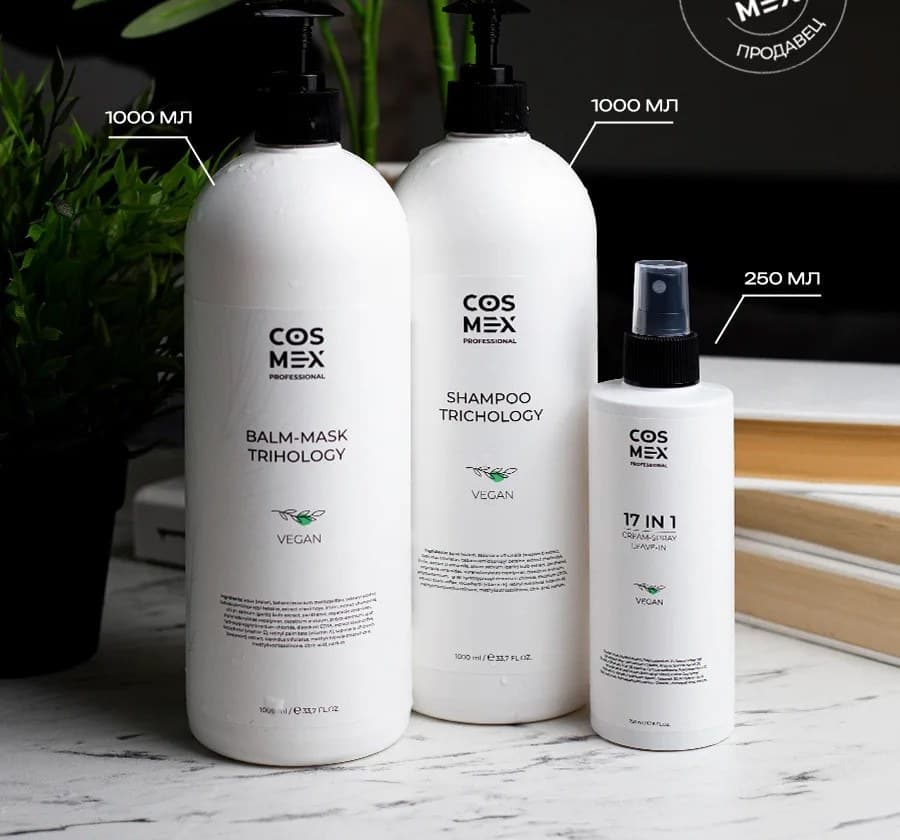
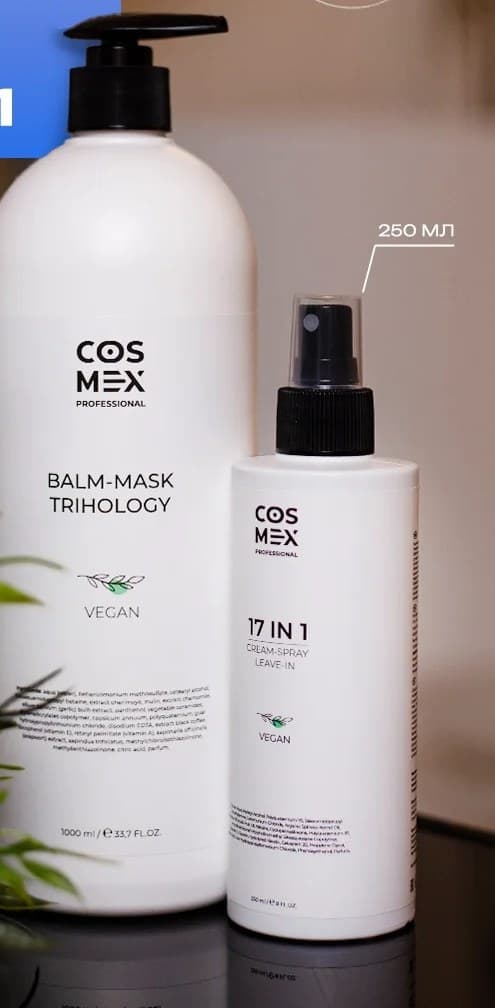
That philosophy — a gentle base plus a well-chosen active ingredient — is what shaped our Trichology line: a sulfate-free shampoo and care products we formulate ourselves in Almaty. At its core is brown algae extract (Cystoseira Compressa) — the active we include in our anti-shedding line. A gentle base that won't irritate an already stressed scalp, plus a supporting active at a meaningful concentration, not a token drop added for label appeal. We make a point of never claiming it stops hair loss — that would be dishonest. What we do, honestly, is create conditions on the scalp and at the roots that make it easier for hair to recover — and we're equally honest about referring you to a doctor when medicine is what's needed.
You can browse ingredients and pricing in the Professional catalog. For a deeper dive, check out our guides on hair shedding and oils for hair growth.