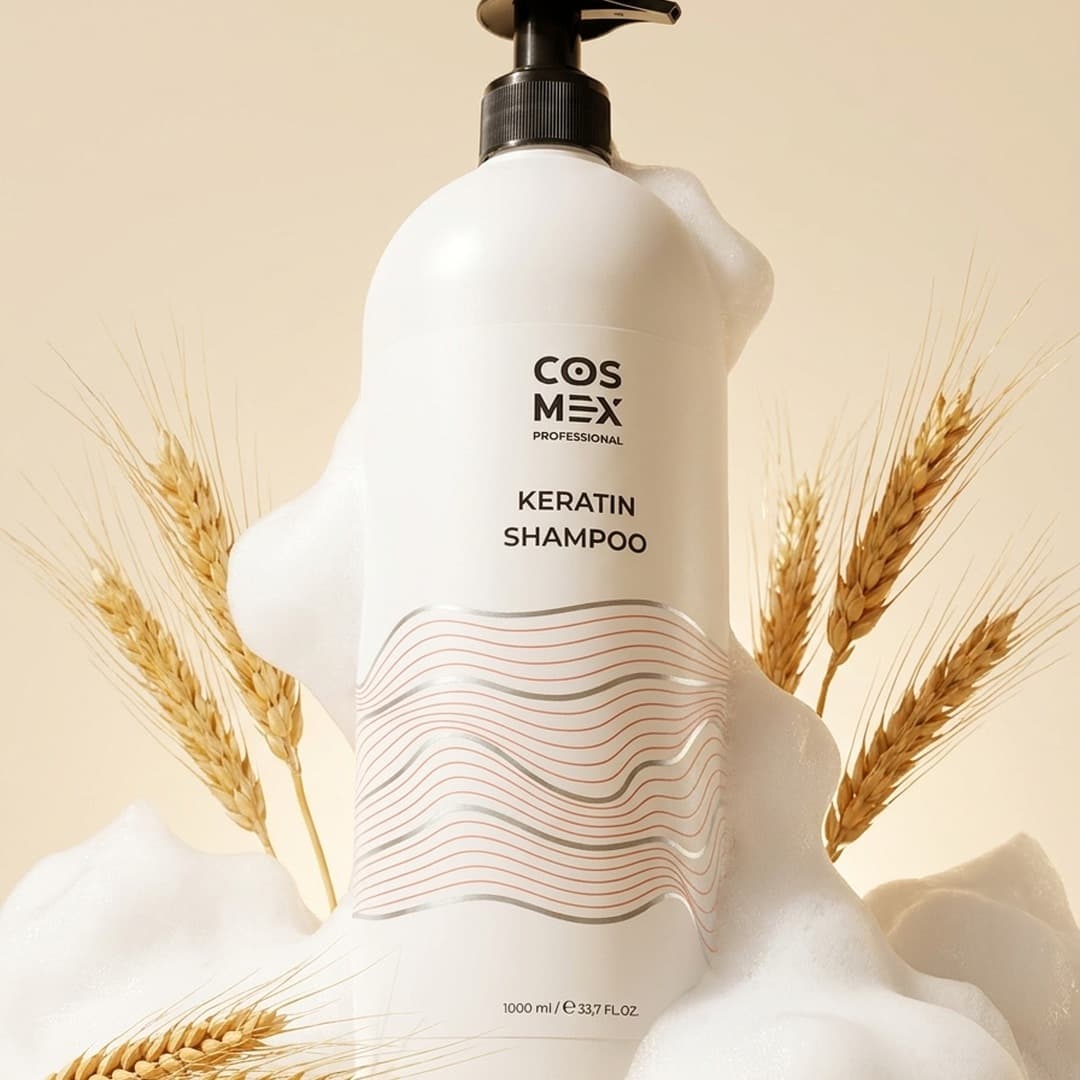
Если после мытья кожа головы зудит, тянет, краснеет или шелушится — это не «слабые сосуды» и не «нервы». Это чувствительная кожа головы с нарушенным барьером, и причина почти всегда в одном: вы используете не тот шампунь. Разбираемся, что значит «чувствительная кожа головы», как её отличить от других состояний и какие активы должны быть в шампуне и уходе, чтобы кожа перестала реагировать на каждое мытьё.
Коротко, если нет времени читать
- Чувствительная кожа головы — это не диагноз, а состояние с нарушенным защитным барьером. Реагирует на ПАВ, отдушки, консерванты, жёсткую воду.
- Симптомы: зуд, стянутость, мелкое шелушение, покраснение после мытья, реакция на горячую воду или фен.
- В шампуне должны быть мягкие ПАВ (кокосовые гликозиды), без SLS/SLES, без сильных отдушек и консервантов-аллергенов.
- В уходе — никаких эфирных масел в концентрации, никакого ментола и охлаждающих компонентов, никаких агрессивных детокс-формул.
- Если зуд + шелушение постоянные — сначала к дерматологу (себорейный дерматит, псориаз, экзема исключить), потом косметика.
Что значит «чувствительная кожа головы»
Кожа головы покрыта тем же эпидермисом, что и лицо, но с двумя отличиями: больше сальных желёз и тоньше роговой слой между фолликулами. У большинства людей этот барьер крепкий и спокойно переносит ПАВ, отдушки и температурный стресс. У 30–50% (по данным дерматологических опросов) барьер ослаблен — это и есть «чувствительная кожа головы».
Причины бывают постоянные (генетика, тип кожи, тонкие волосы) и приобретённые:
- Частое использование агрессивных шампуней (SLS/SLES в высокой концентрации).
- Окрашивание, особенно осветление.
- Жёсткая вода — оставляет минеральный налёт, который раздражает.
- Стресс и гормональные колебания.
- Зимний холод + сухой воздух батарей.
Симптомы
- Зуд после мытья — сразу или через 1–2 часа.
- Стянутость — будто кожа маленькая для черепа.
- Покраснение по проборам и за ушами.
- Мелкое сухое шелушение — без жёлто-серых корок (это уже себорея).
- Дискомфорт от фена, горячей воды, плотных причёсок.
- Иногда — мелкие узелковые высыпания (фолликулит) от закупорки порами уходом.
Что должно быть в правильном шампуне
Главное — мягкие ПАВ
Стандартный шампунь моет за счёт сульфатов: SLS (Sodium Lauryl Sulfate) и SLES (Sodium Laureth Sulfate). Они дают много пены, но слишком хорошо очищают — снимают защитный липидный слой кожи головы. Для здоровой кожи это переносимо. Для чувствительной — каждое мытьё = микро-травма.
Альтернативы:
- Coco-Glucoside — сахарный ПАВ из кокоса и кукурузного крахмала. Очень мягкий, биоразлагаемый.
- Decyl Glucoside — то же семейство, чуть активнее.
- Cocamidopropyl Betaine — амфотерный ПАВ, балансирует жёсткость кокос-гликозидов.
- Sodium Cocoyl Glutamate — аминокислотный ПАВ, на основе кокоса и глутаминовой аминокислоты.
Если на этикетке вы видите эти ингредиенты и нет SLS/SLES/ALS/ALES — это правильный шампунь для чувствительной кожи. Подробнее о сульфатах — отдельный разбор сульфатов.
Минимум аллергенов
Парфюмерные отдушки — частая причина реакции. Регламент EC 1223/2009 обязывает декларировать 26 потенциальных аллергенов парфюмерии (Linalool, Limonene, Geraniol, Citronellol и др.). Для чувствительной кожи лучше шампунь:
- С минимальной отдушкой или вообще без неё.
- Без декларируемых аллергенов в составе.
- Без эфирных масел в концентрации — особенно эвкалипт, мята, цитрусовые.
Что должно быть для восстановления барьера
- Пантенол (Provitamin B5) — увлажняет, успокаивает, стимулирует регенерацию. Подробнее — пантенол для волос.
- Бисаболол — основной активный компонент ромашки, противовоспалительный.
- Аллантоин — успокаивает раздражение.
- Ниацинамид (витамин B3) — снижает покраснение, восстанавливает барьер. Подробнее — ниацинамид для кожи головы.
- Глицерин — гумектант, удерживает влагу.
Что НЕ должно быть
- Сильные сульфаты (SLS, SLES, ALS, ALES).
- Резкие отдушки и эфирные масла в высокой концентрации.
- Ментол, камфора, перец — «охлаждающие» и «согревающие» эффекты раздражают барьер.
- Метилизотиазолинон (MIT) и метилхлоризотиазолинон (CMIT) — консерванты с высокой контактной аллергией.
- Парабены — спорно, но при чувствительной коже лучше избегать.
- Денатурированный спирт — обезвоживает.
Как мыть чувствительную голову
- Не горячей водой. Тёплая, 37–38°C. Горячая вода усиливает кровоток и раздражение.
- Не каждый день. 2–3 раза в неделю. Чаще — ловите цикл «вымыли → раздражение → почесали → выработка себума → опять помыть».
- Не растирать кожу полотенцем. Промокать. Жёсткое трение усиливает реакцию.
- Фен — на средней температуре, не на максимуме. С расстояния 15–20 см.
- Бальзам — обязательно, на длину, не на корни. Закрывает кутикулу, снимает статику.
Когда косметика не справится — к врачу
Чувствительная кожа головы — это функциональное состояние, оно решается мягким уходом. Но похожие симптомы дают серьёзные дерматологические проблемы:
- Себорейный дерматит — крупные жёлто-серые корки, обильное шелушение, постоянное жирное состояние, зуд. Лечит дерматолог пироктон оламином, кетоконазолом, цинк пиритионом. Подробнее — пироктон оламин против перхоти и как избавиться от перхоти.
- Псориаз кожи головы — чёткие бляшки с серебристыми чешуйками, обычно не только на голове.
- Контактный дерматит — острая реакция после конкретного средства (краска, новый шампунь). Резкое покраснение, зуд, иногда мокнущие участки.
- Атопический дерматит — на фоне общей атопии, экземы на руках и сгибах.
- Грибковые поражения — обширное шелушение, выпадение волос участками.
Если зуд и шелушение постоянные (больше 4 недель), есть корки, мокнущие участки, сильное выпадение волос — сначала к дерматологу, потом уже подбор косметики.
Что есть у Cosmex для чувствительной кожи головы
- Cosmex Sensitive шампунь бессульфатный гипоаллергенный — без SLS/SLES, без декларируемых аллергенов, на кокосовых гликозидах. Минимальная отдушка.
- Cosmex Sensitive Hair бальзам — пара к шампуню. С пантенолом и бисабололом для восстановления барьера.
- Cosmex Sensitive Hair маска — 1 раз в неделю для глубокого восстановления.
Если у вас одновременно сухость длины — добавьте маску для волос с увлажняющими активами на длину, не на кожу головы.
Частые ошибки
- «Натуральный шампунь — значит безопасный». Не всегда. Эфирные масла в высокой концентрации — частая причина контактного дерматита. Травяные экстракты тоже могут давать реакцию.
- «Детский шампунь подойдёт». Не обязательно. Многие детские шампуни мягкие, но содержат отдушки и иногда поверхностно-активные вещества, которые взрослой коже не подходят.
- «Если зудит — нужно тщательнее мыть». Наоборот. Чаще = больше раздражения. Реже + мягче.
- «Бальзам делает корни жирными — лучше без него». Бальзам нужен, но не на корни. На длину и кончики — закрывает кутикулу и снимает статику.
- «Куплю шампунь от перхоти — заодно и кожу успокою». Не заодно. Шампуни от перхоти содержат активные противогрибковые компоненты — на здоровой чувствительной коже они дают раздражение. Если перхоти нет — не нужно.
Если коротко: чувствительная кожа головы — это сигнал, что барьер ослаб и его нужно поддержать, а не чистить агрессивнее. Мягкие ПАВ, минимум отдушек, восстанавливающие активы — и через 4–6 недель кожа перестаёт реагировать на каждое мытьё.