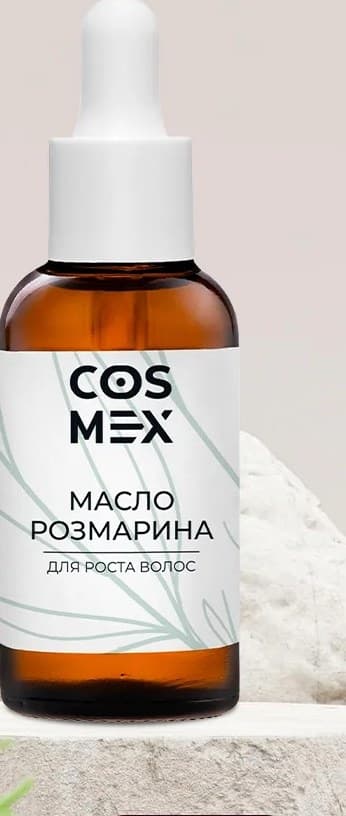
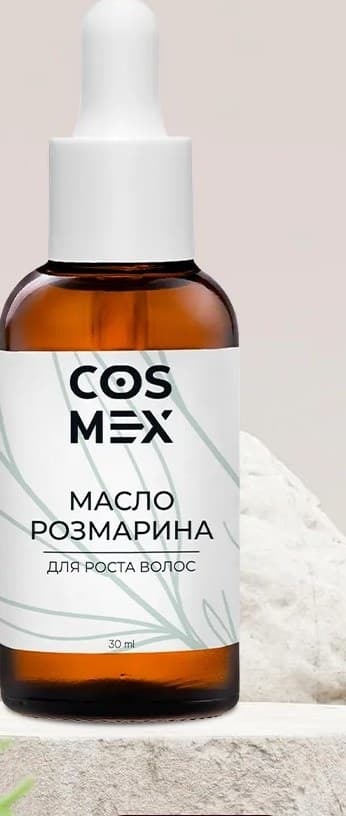
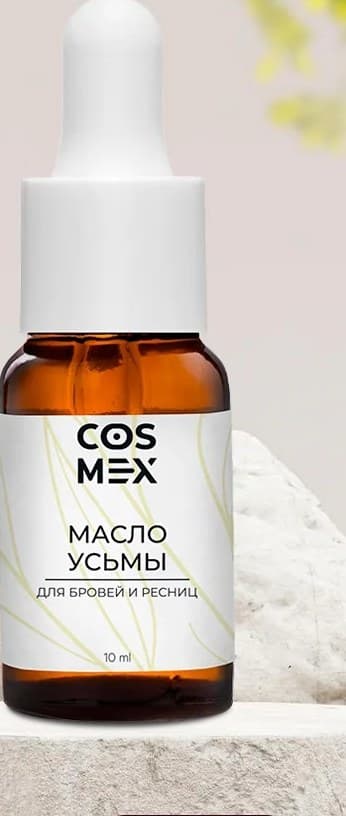
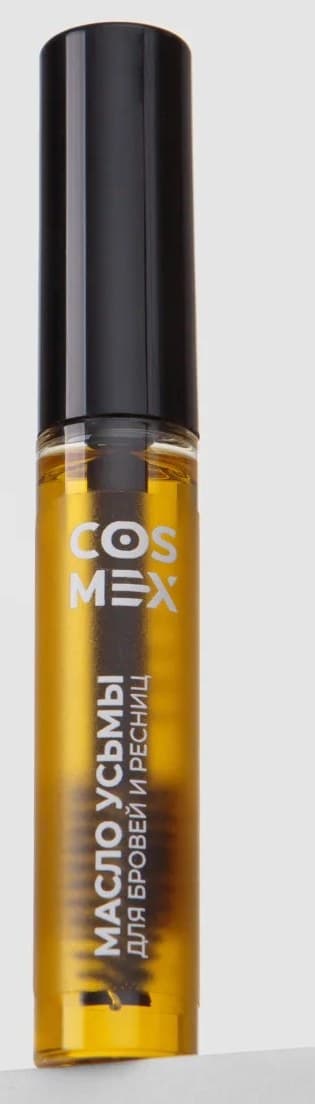
"Slather on some oil and wake up with waist-length hair" — sounds lovely, but let's be honest. Hair oils are surrounded by equal parts inflated promises and genuine facts. This is a thorough, straight-talking breakdown: how hair actually grows, what oils can truly do, why even science has something to say about rosemary, how usman, rosemary, and monarda differ, and how to use them without greasy strands or let-downs.
The short version, if you're in a hurry
- Oil doesn't magically speed up growth or create new follicles — your growth rate is set by nature (roughly 1 cm per month).
- That said, oils genuinely help your scalp and your lengths: they care for the scalp, reduce breakage, and the massage involved in application boosts circulation at the roots. So hair actually reaches its potential length instead of snapping off.
- Among plant-based oils, rosemary has the strongest scientific backing.
- Essential oils (including rosemary) must never be applied neat — always diluted in a carrier oil.
- Results take time: 1–2 months of consistent use, not a single application.
Now, the details.
First — how hair actually grows
To understand what you're influencing with oil, it helps to know how growth works. Every hair lives through a cycle of three phases:
- Growth (anagen) — lasts 2–7 years and determines how long your hair can get. Most of the hair on your head is in this phase at any given time.
- Transition (catagen) — a brief pause of a couple of weeks; growth stops.
- Rest (telogen) — around three months, after which the hair sheds and a new one begins growing from the same follicle.
Two honest conclusions follow. First: you cannot grow hair faster than your anagen phase allows — that's genetics. Second: the real goal of hair care is to keep as many hairs in the growth phase as possible and prevent them from breaking, so they actually reach their full length. That's exactly where oils come in.
What oils CANNOT do — and what they can
Let's clear up the myth right away: oil applied to hair does not make follicles divide faster or "wake up" dead ones. Promises of "+10 cm in a month" are pure marketing.
Here's what oils actually do:
- Care for the scalp. A healthy scalp — not dried out, not inflamed — is the foundation that makes normal growth possible in the first place. An irritated, flaky scalp works against growth.
- Reduce breakage along the length. Oils nourish and soften the hair shaft, sealing the cuticle so strands become more elastic and break less often. That means growth isn't "cancelled out" by mid-length snapping.
- Enhance the massage effect. When you work oil into your scalp, you're giving yourself a micro-massage — which stimulates blood flow at the roots.
In other words, oils create the conditions for growth and help you retain what's already grown. That's the honest, realistic benefit.
Why even science talks about rosemary
Rosemary is one of the few "traditional" oils that researchers have actually studied. But research isn't a guarantee of results: rosemary oil remains a scalp care ingredient, not a clinical treatment for hair loss.
That doesn't make it medicine: if you're experiencing significant or patchy hair loss, you need a trichologist. In everyday hair care, rosemary is valued for its fresh feel, the sensation of a clean scalp, and sheer convenience — a few drops in a carrier oil or added to shampoo.
Caffeine has a similar story: it's been studied in laboratory settings, but a test tube isn't a living scalp, and lab results don't translate into promises. In our oil formulas, rosemary is what we rely on for scalp and root care — so that's where we keep our focus.
Usman, rosemary, and monarda: how they differ
We deliberately chose plant-based oils with a history of use and, where available, scientific support. Each plays its own role:
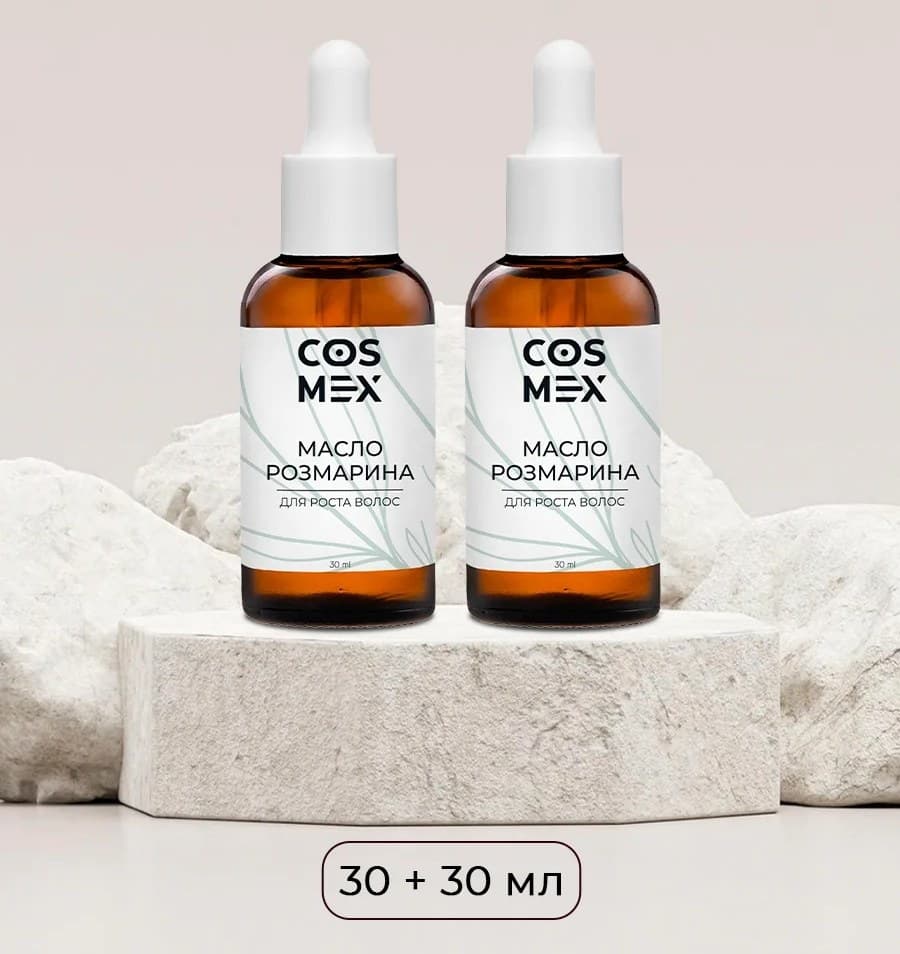
- Rosemary — our lead ingredient for scalp and root care. The most evidence-backed component; supports scalp health and is well suited for those dealing with hair thinning or weakening.
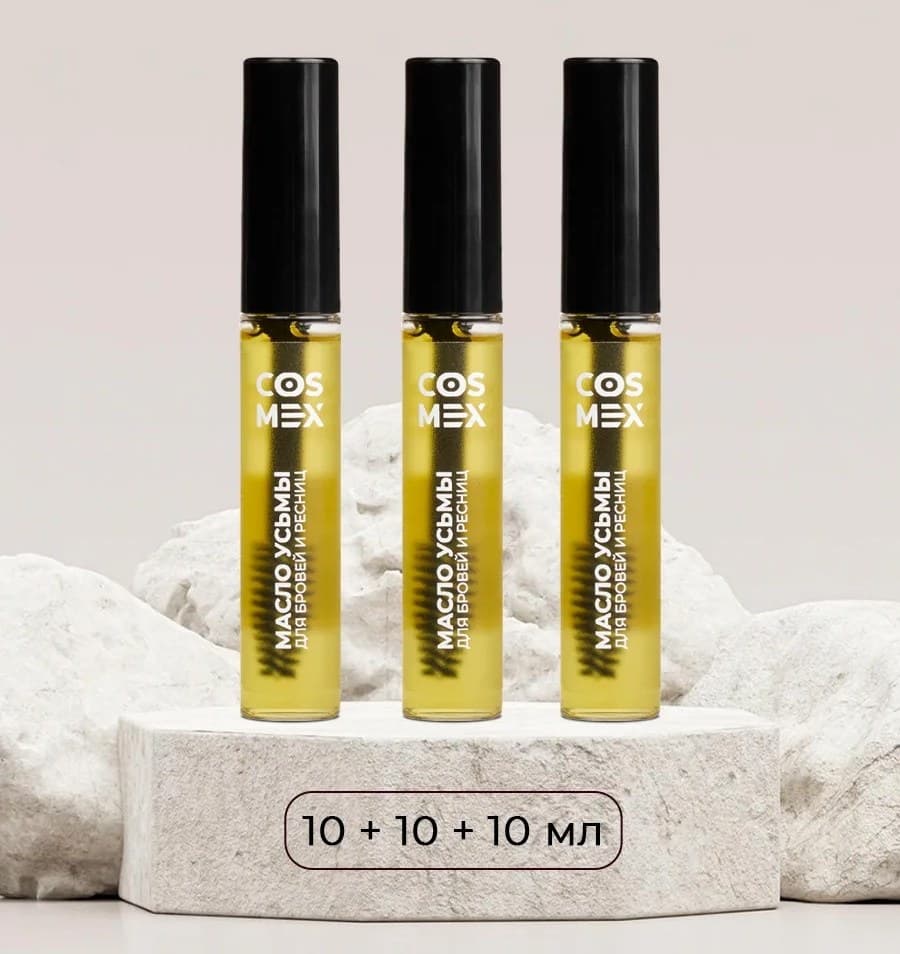
- Usman — traditionally used to care for fine, weakened hair: it nourishes, reduces brittleness, and adds visible density. It's particularly prized for brows and lashes — we have a dedicated article on that.
- Monarda — a botanical extract with conditioning and refreshing properties; it tones the scalp pleasantly and rounds out the formula.
One important technical point: rosemary and oils like it are essential oils — highly concentrated. Applying them neat to the skin can cause irritation. That's why proper hair care always delivers them diluted in a carrier oil (or as part of a ready-made formula). We factor this in when crafting our oils, so you don't need to measure anything yourself.
How to apply oil: a step-by-step technique
- Define your goal. For the roots and scalp — apply directly to the scalp. For nourishing the lengths and ends — apply to the hair, keeping away from the roots.
- Massage it in. Work the oil into your scalp using the pads of your fingers in circular motions for 2–3 minutes. Fingerpads only — not nails.
- Let it work. Leave it on as a mask for 30–60 minutes; you can wrap your head in a towel. For a deeper treatment, leave it overnight with a shower cap.
- Rinse thoroughly with a gentle shampoo. Residual oil weighs hair down and makes it grease up faster — you may need to lather twice.
- A drop for styling. If you're applying oil to dry lengths for shine, use literally one or two drops, or your hair will look greasy.
Common mistakes
- Expecting a miracle within a week. Growth is measured in months. You'll notice changes in hair condition after 4–8 weeks; density takes longer.
- Applying essential oil neat. That's a recipe for scalp irritation. Always use it diluted or in a ready-made formula.
- Using too much on the roots and not rinsing properly. A greasy film at the roots isn't "nourishment" — it's quick build-up and heaviness.
- Doing it once a month and giving up. Consistency matters more than quantity: 1–2 times a week over a 1–2 month course works better than using a whole bottle in one go.
- Chasing growth while ignoring the cause of shedding. If your hair is actively falling out, oil is supportive — not a substitute for medical advice. Address the root cause first (see below).
Who oils work best for — and who should be careful
Oils aren't a one-size-fits-all answer. They're especially well suited for:
- Dry, porous, damaged hair — lacking in lipids, which oil replenishes.
- Dry, tight scalp — light oil care and massage help soothe it.
- Weak, brittle hair — nourishment reduces breakage along the length.
And here's where some caution is needed:
- Oily scalp. Apply oil to the roots sparingly and less frequently — otherwise your hair will grease up even faster. Focus on the lengths instead.
- Fine, flat hair lacking volume. Heavy oil weighs it down. Use literally one drop, and only on the ends.
- Allergies and sensitivity. Do a patch test on the inside of your elbow before first use, especially with essential oils.
How long to wait for results
An honest timeline, so you're not disappointed:
- 1–2 weeks — hair feels softer, more manageable, less frizzy. This is the effect of length care, not growth.
- 4–8 weeks — scalp is calmer, strands are stronger, less breakage. Length starts to "hold."
- 2–3 months and beyond — this is the only realistic horizon at which it makes sense to talk about density and growth: hair grows slowly, and it needs to be assessed over months, not days.
If nothing changes after 2–3 months of consistent care and hair continues to shed actively — that's a sign the issue isn't in your routine but somewhere internal. Time to see a doctor.
When oils aren't enough
To be fully transparent: if hair is actively shedding rather than simply growing slowly, oils alone won't solve the problem. Shedding can be driven by iron deficiency, hormones, stress, or thyroid issues. In those cases, blood tests and a trichologist come first; topical care is support, not treatment. We cover this in detail in our articles on hair loss and types of alopecia. Oils are about scalp health and length retention — not treating hair loss — and we say that plainly.
Cosmex oils and a complete care routine
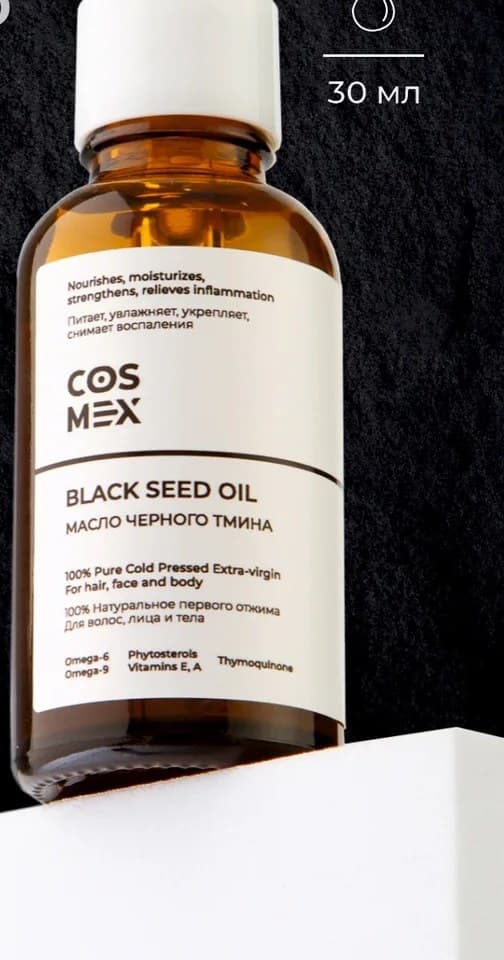
Our Professional line includes hair oils formulated with usman, rosemary, and monarda — made in-house in Almaty. We're upfront about what they are: nourishing care for the scalp and lengths that supports healthy growth and reduces breakage, not a miracle serum.
Oils deliver their best results not on their own, but as part of a system:
- Oil — nourishment for the scalp and lengths, plus massage.
- Trichology shampoo — gentle sulfate-free cleansing for weakened hair, so oil rinses out without harshness and the scalp stays calm.
- Sulfate-free base across the entire line — to avoid drying out the scalp and triggering a "rebound effect" (why this matters is explained in our article on sulfate-free shampoo).
Formulations and pricing are in the Professional catalog. And if you want to understand what hair care actually affects and why "shiny doesn't mean healthy," take a look at our article on hair structure.