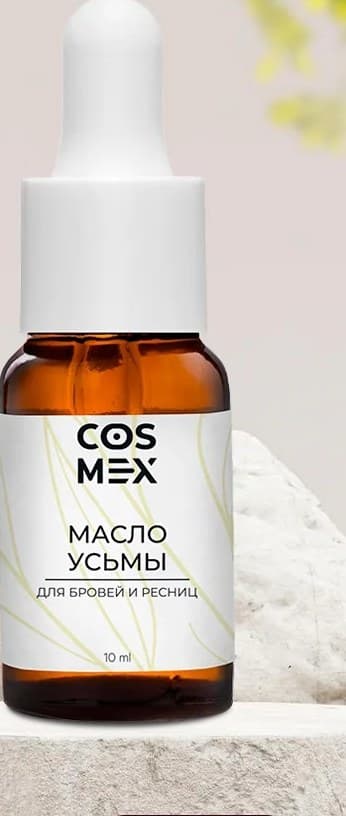
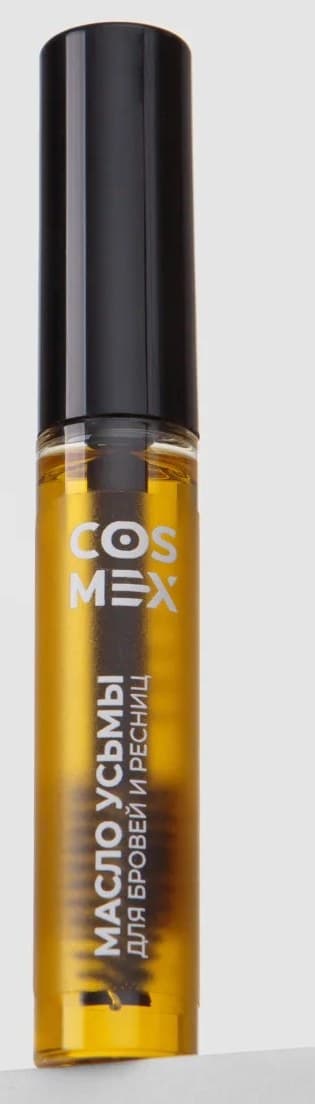
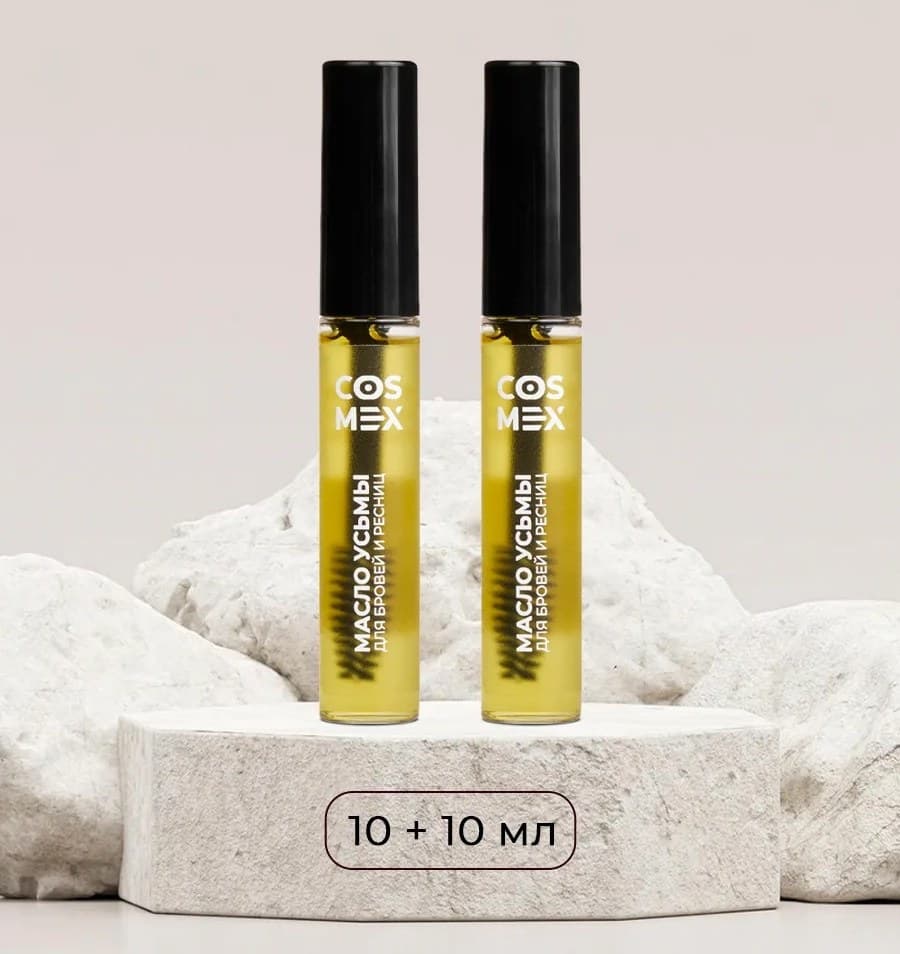
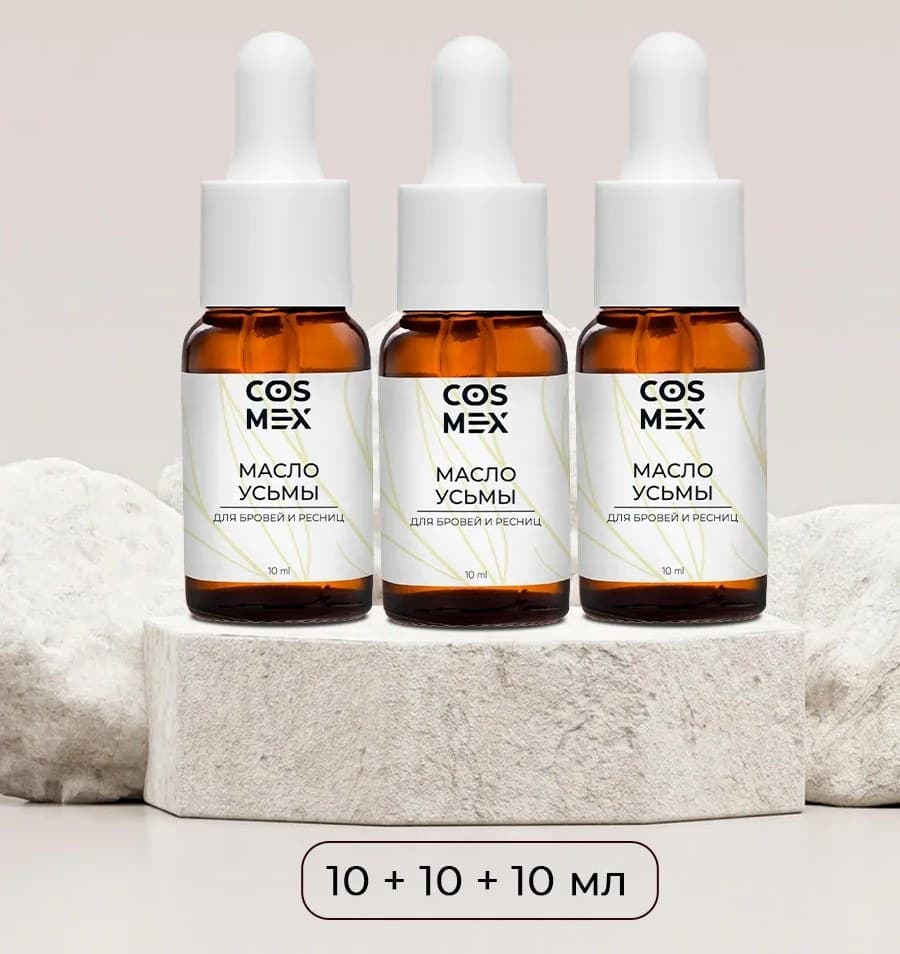
Usman (woad, Isatis tinctoria) is a plant whose juice and oil have traditionally been used in the East for brow and lash care and as a natural dye. Usman oil nourishes and softens the hairs, making them less prone to breakage and visibly fuller. Usman does not grow new hairs — it is a care product, not a treatment.
"I applied usman and woke up with brows like a sable" — tempting, but let's be honest. Usman has been used in the East for centuries for brow and lash care, and it comes wrapped in both beautiful legends and genuine benefits. Let's break it down plainly: what usman actually is, what it can really do, what is myth, how it differs from prescription lash-growth products, and how to use it without harming the delicate eye area.
The short version, if you're in a hurry
- Usman is a care product, not a treatment. It won't make your lashes grow "twice as long" or change the density you were born with.
- It does genuinely nourish and soften the hairs: brows and lashes become more elastic, break less often — and therefore look fuller as a result.
- It is not the same as prescription lash-growth products, which work on a completely different principle and require a doctor's recommendation.
- Results take time: 1–2 months of consistent use, not a single overnight application.
- The eye area is sensitive: always do a patch test and apply carefully to keep the product away from the mucous membrane.
Now, in detail.
What usman is
Usman (Isatis tinctoria, woad) is a plant whose juice and oil have traditionally been used for brow and lash hair care, as well as a natural dye. In the East, it was in use long before brow gels and serums in sleek packaging existed: it was believed to make brows more expressive and hairs stronger.
The plant contains components that traditional cosmetics associate with caring for fine, weakened hairs. One important distinction: "traditionally used" is not the same as "clinically proven to grow hair." Usman is about gentle care and a well-groomed appearance — and that is more than enough to make it a useful product. You simply should not expect from it what it cannot deliver.
What usman actually does — and where the myths begin
Let's separate what usman genuinely does from what it is wrongly credited with.
What it actually does:
- Cares for the hairs. It nourishes and softens brows and lashes, making them more elastic. An elastic hair breaks less easily — meaning it stays intact long enough to reach its full length, rather than snapping halfway.
- Creates visual fullness. Well-conditioned, non-breaking hairs that are slightly darker at the base look fuller — even if the number of hairs hasn't changed by a single one.
- Supports weakened brows. For example, after frequent tweezing, tattooing, or heavy makeup use, when hairs have thinned and become brittle.
What you should not expect — these are the myths:
- It does not awaken dormant follicles. If there are no hairs in a given area, usman will not create them. Care works with what is already there; it does not build new follicles.
- It does not change genetics. The natural density and shape of your brows are determined by heredity. Care helps you reveal and preserve your potential, not rewrite it.
- It does not work instantly. "Applied it at night and woke up with full brows" does not happen with any product. Hair care is measured in months, not days.
In other words, usman creates the conditions for healthy, well-groomed hairs and helps preserve the ones you already have. That is honest, tangible value — just not magic.
How usman differs from prescription lash-growth products
This is a common question, so let's address it directly. There are prescription lash-growth products — so-called prostaglandin analogues. They work on an entirely different principle: they act on the hair's actual growth phase and, with regular use, can genuinely lengthen lashes. But these are not care products — they are pharmacological agents with indications, contraindications, and side effects, which is why they require a doctor's prescription.
Usman belongs to a different category entirely. It is cosmetic care: it nourishes and softens hairs, improves their appearance and condition, but does not interfere with the biology of growth the way prescription products do. Comparing the two by asking "which one is stronger" makes no sense — they are different tools for different purposes:
- Need gentle, regular care, nourishment for the hairs, and a well-groomed look without a prescription or risks? That's usman.
- Looking for medically driven lash lengthening? That's a conversation with a doctor and a pharmacy product, not a jar of nourishing oil.
Our honest position: we make care products, not treatments, and we do not promise pharmacological effects. If someone is selling "a plant-based usman that works like a prescription serum" — that is marketing, not truth.
How to apply: a step-by-step technique
- Cleanse the area. Remove makeup and sebum from brows and lashes — the product absorbs better on clean hairs and won't seal in impurities.
- Apply a thin layer. Use a clean brush to stroke along the brows in the direction of hair growth; for lashes, apply along the lash line at the base — not along the full length like mascara.
- Keep it off the mucous membrane. Avoid getting product in your eyes. Apply to lashes carefully along the lash line, not onto the inner lid or mucous membrane.
- Evening is best. The product needs time to work, and overnight it won't interfere with anything or smear under makeup.
- Be consistent. Use it for 1–2 months without long gaps — the benefits of care are cumulative, not one-time.
- Watch for reactions. If you notice redness, itching, or irritation, stop using it immediately.
Common mistakes
- Expecting a miracle in a week. Hair care is measured in months. The first noticeable changes — softer texture, less breakage — appear after several weeks, not the next morning.
- Applying to lashes "like mascara," along the full length. This makes it easy for the product to get into the eye. Work along the lash line at the base, with care.
- More product = faster results. A thick layer does not speed up care; it only increases the risk of product entering the eye and causing irritation. A thin layer is all you need.
- Quitting after a week. Inconsistency defeats the whole purpose: the effect only builds with a sustained routine.
- Skipping the patch test. The eye area is delicate — skipping the test to save a couple of minutes is not worth it.
- Expecting "new" hairs where there are none. Usman cares for existing hairs. Where there are no follicles, there is nothing to care for.
Some important honest disclaimers
Let's be fully transparent — it will save you both frustration and money:
- Usman is a care product, not a treatment. It supports and enhances the appearance of hairs, but does not treat hair loss and is not a substitute for medical advice.
- It does not change genetics. The natural density of your brows and lashes is set by heredity; care helps you maintain it, not rewrite it.
- A patch test is non-negotiable. Before first use, especially on lashes, apply a small amount to a patch of skin (such as the inside of your elbow) and wait 24 hours. No reaction — you're good to go.
- Be careful around the eye area. This is the most delicate area on the face. Do not let the product reach the mucous membrane; if you experience any discomfort, rinse your eye with clean water and stop using the product.
- If hairs are actively falling out (rather than simply growing slowly), there may be internal causes — hormones, nutritional deficiencies, stress. In that case, care is supportive, not a solution, and seeing a doctor is the right step.
How long to wait for results
An honest timeline, so you won't be disappointed too soon:
- 1–2 weeks — hairs become softer and more manageable, brows are easier to shape. This is the effect of care, not "growth."
- 3–6 weeks — hairs are stronger and more elastic, break less often; brows and lashes look neater and visibly denser.
- 1–2 months and beyond — the cumulative effect of care: a well-groomed, fuller appearance because the hairs are whole and healthy rather than broken.
If after a couple of months of consistent use nothing changes at all and hairs continue to fall out actively — the issue is not the product, it's the underlying cause. That's a signal not to "buy a bigger jar" but to see a specialist.
Cosmex usman-based care and the care system
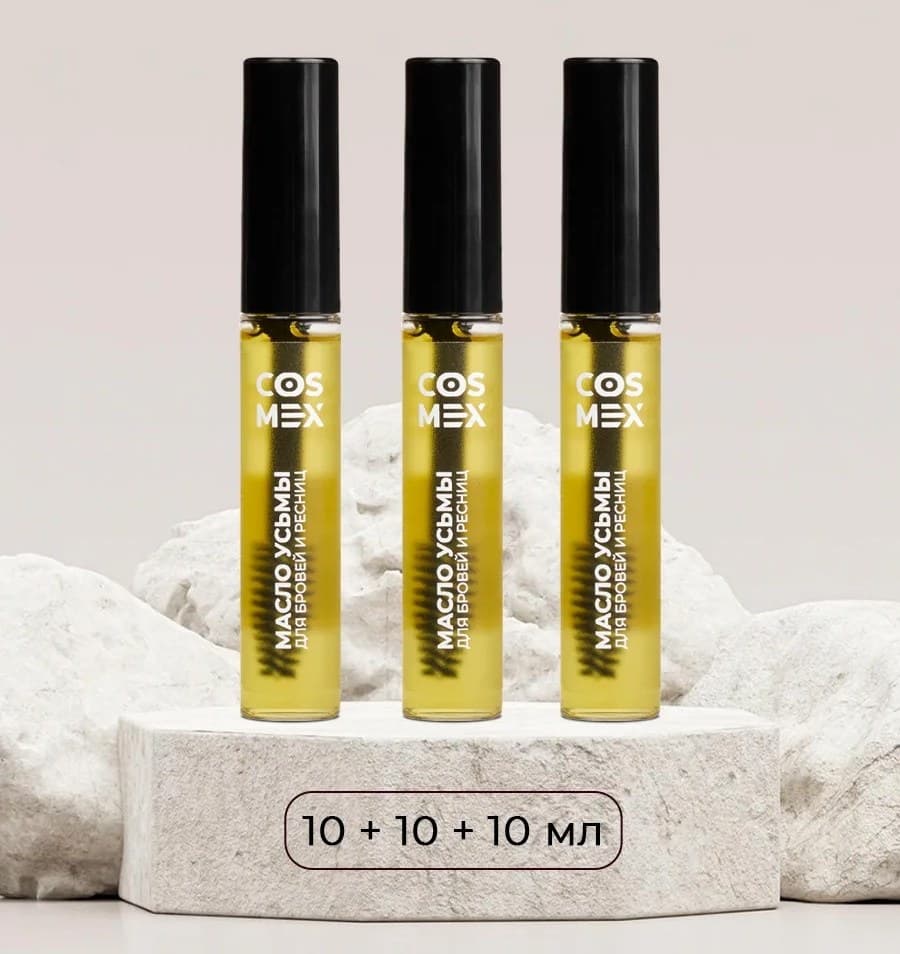
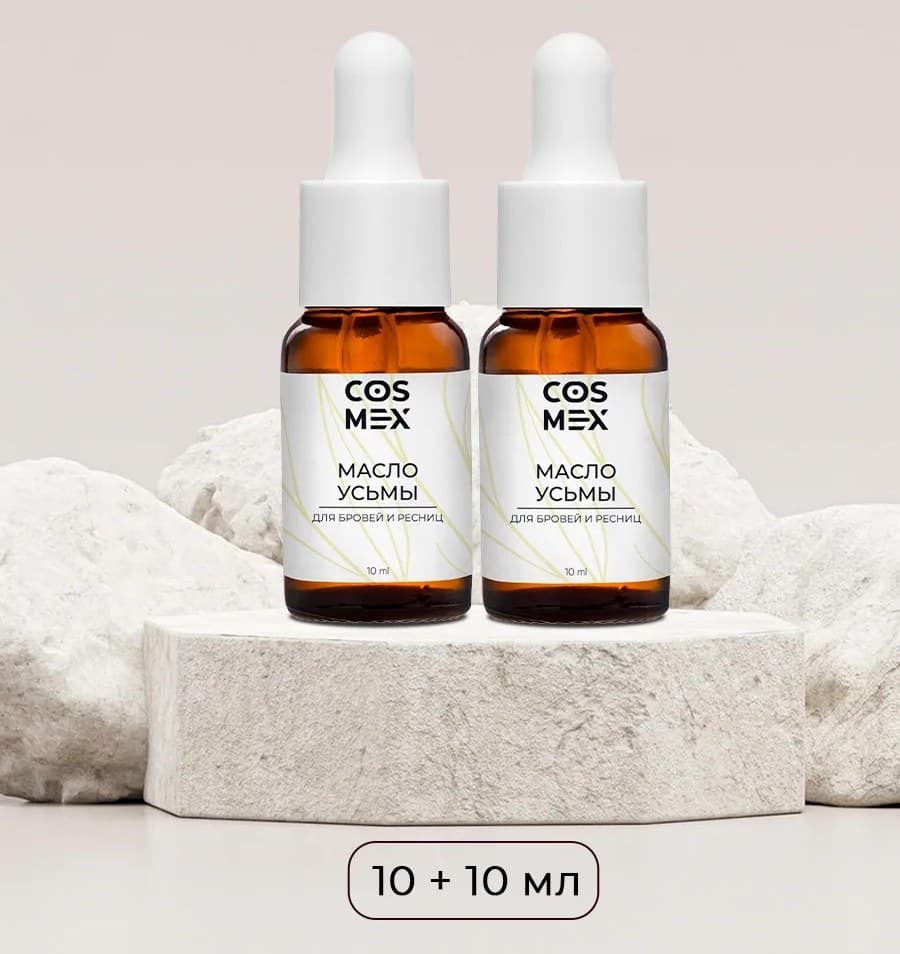
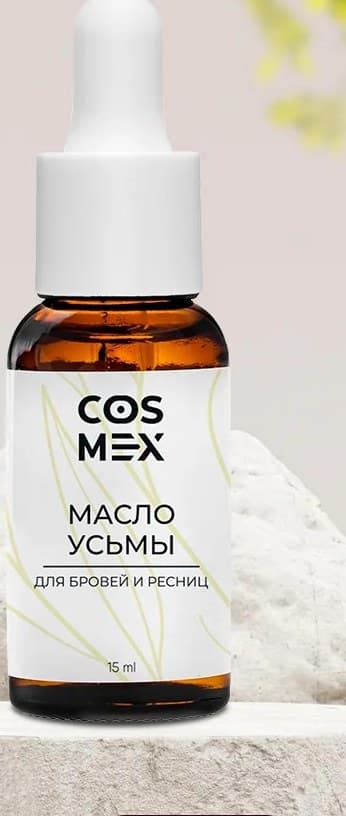
Our Professional line includes a care product based on usman — made in-house in Almaty for brows and lashes. We position it honestly: it is nourishing care that supports the hairs and their appearance, not a "miracle serum." The brand's sulfate-free, gentle philosophy applies here too — a formula without harsh chemicals, designed for a sensitive area.
Usman belongs to the same "family" of botanical ingredients we use in hair care: it is valued for looking after fine, weakened hairs. If you're curious how usman, rosemary, and other oils work on the scalp and along the hair shaft — and why "oil doesn't magically grow hair" — we covered this in detail in our article on hair growth oil. The logic is the same: care creates the conditions; it doesn't perform miracles.
Care delivers the best results as part of a system, not in isolation:
- Usman-based care — nourishment and support for brow and lash hairs.
- The sulfate-free foundation of the entire line — so skin and hairs don't dry out and the "rebound effect" doesn't occur (why this matters is explained in our article on sulfate-free shampoo).
- Consistency and gentleness — for a sensitive area, steady, careful ongoing care matters more than aggressive "intensive" treatments.
You'll find the full ingredient list and pricing in the Professional catalog. And if you want to understand what care actually affects and why "looking fuller doesn't mean new hairs," explore the blog — we talk about cosmetics straight, without promises of magic.