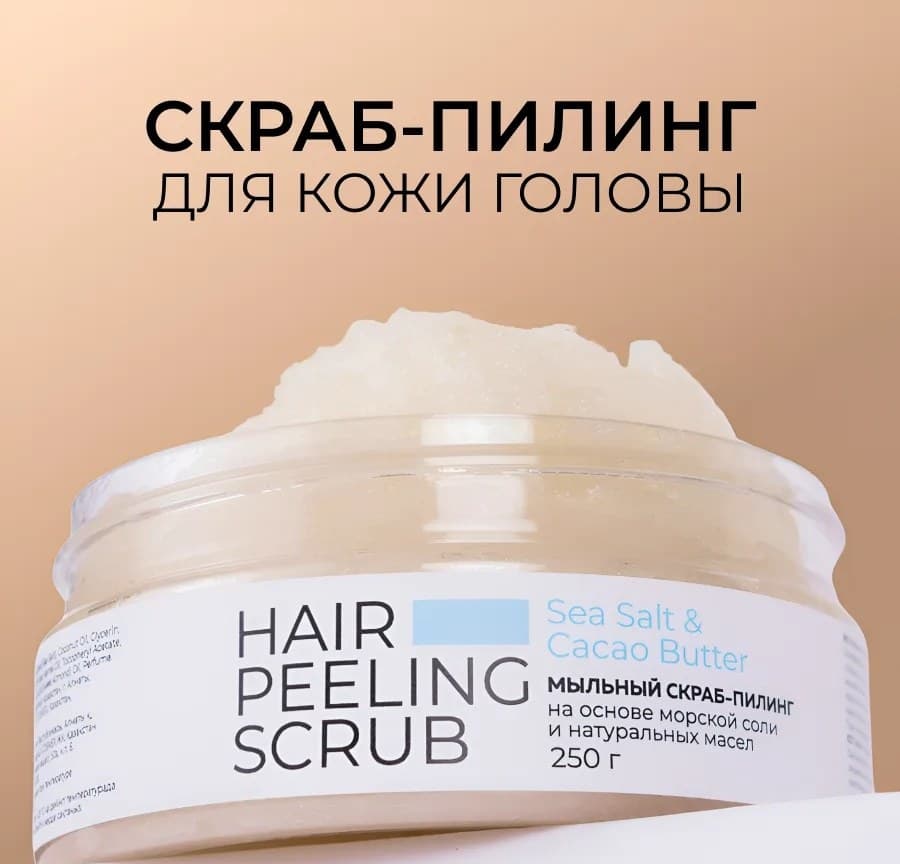
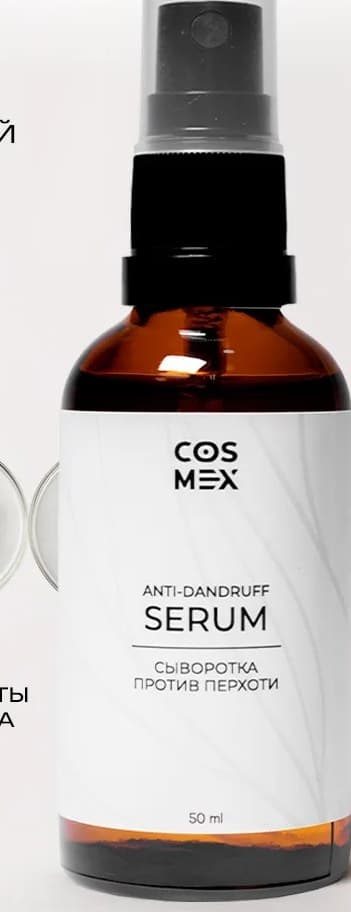
Most people only think about their scalp when it starts itching, flaking, or getting greasy faster than usual. Yet the scalp is fully-fledged skin with its own microflora — a community of microorganisms that live there permanently. When that community is balanced, the scalp feels comfortable. When the balance is disrupted, irritation and discomfort follow. The prebiotic inulin is precisely the ingredient that helps maintain that balance. Let's break down in plain terms what it does and where you'll find it at Cosmex.
What It Is and How It Works
Inulin (INCI: Inulin) is a natural polysaccharide — essentially a plant-derived "fiber sugar." In skincare it functions as a prebiotic.
It's important not to confuse two similar-sounding words:
- Probiotic — live microorganisms themselves.
- Prebiotic — food for those microorganisms.
Inulin is the food. It doesn't introduce new bacteria to the scalp and doesn't "treat" anything. Instead, it nourishes the beneficial microorganisms already living on your scalp, helping them thrive more effectively than the so-called "harmful" flora.
The logic is straightforward: well-fed beneficial microbes are more comfortable and form a more resilient community. A resilient, balanced microbiome means skin that gets irritated less easily and responds more calmly to external stressors like hard water, frequent washing, and stress.
For rinse-off products, a prebiotic is an honest and practical choice. Live probiotics have a hard time of it — they need to survive in the bottle and then on the skin. A prebiotic fiber has none of those problems: it's stable and simply does its job, feeding the good guys.
Which Cosmex Products Contain It
In the Cosmex range, inulin appears where it makes sense for the purpose — in the line built around scalp health:
- OverDose OverDerm — a line focused on scalp health and microbiome. Here the prebiotic does exactly what it's meant to: it supports the balance of the microflora and creates calmer conditions for the skin.
We don't add inulin to every product just to make the ingredient list look impressive. It's in OverDerm because the line's purpose is specifically the scalp and its microbiome — not hair length or shine. If you'd like a deeper look at which actives do what in our formulas, check out the Cosmex actives overview.
Getting the Most Out of It
Prebiotics are about consistency, not an instant "wow" effect. A few simple guidelines:
- Use the product within your regular washing routine. The microbiome shifts gradually, so it's the ongoing habit that works — not a single wash.
- Give the product time on your scalp. Apply it, gently distribute it across the scalp (not just the lengths), and leave it on for a moment before rinsing — this gives the ingredients time to do their work.
- Don't scrub your scalp aggressively with your nails, and avoid washing your hair with scalding-hot water. The skin's barrier and its flora don't respond well to harsh treatment, and no prebiotic can compensate for that.
- Gauge results by comfort: less tightness, less itching, and less of that "dried-out" feeling after a few weeks — that's the support the prebiotic was added to deliver.
Honestly: What Not to Expect
Now, without glossing anything over.
Inulin is about supporting balance, not treatment. It helps the scalp feel more comfortable, but:
- it does not treat dandruff — especially dandruff caused by fungus or seborrhea;
- it does not stop hair loss or "grow" new hair;
- it does not replace treatment for scalp conditions.
Cosmetics in general don't treat medical conditions — they provide care. And that's perfectly fine: the job of a care product is to maintain a healthy state and comfort, not to replace a doctor.
So here's an important disclaimer: if you have persistent dandruff, constant itching, pronounced flaking, patches, or noticeable hair loss — that's a reason to see a trichologist or dermatologist. A prebiotic can be a great part of everyday scalp care, but diagnosis and treatment belong with a specialist. If you'd like to explore related topics further, we have dedicated articles on how to get rid of dandruff and shampoo for hair loss — both are honest about what haircare products can realistically do, and what they can't.
A Few Myths to Finish
- "Prebiotic = probiotic." No. A probiotic contains microorganisms; a prebiotic is their food. In a rinse-off product, a prebiotic is the more honest and stable option.
- "If it has inulin, dandruff won't happen." No. It supports balance but doesn't guarantee problem-free scalp health and doesn't make a doctor's visit unnecessary when symptoms persist.
- "More prebiotic means better results." No. What works is the effective dose specified in the formula — not simply piling more of a trendy ingredient in. Formulation is about balance, not about how prominently one buzzword appears on the label.
The bottom line is simple: inulin in OverDerm is calm, honest support for your scalp microbiome. Not a miracle product — just smart care for the skin your hair grows from.