

Hydrolyzed Keratin is keratin — the hair's primary structural protein — broken down into short peptides and amino acids. These fragments are small enough to penetrate damaged areas of the cuticle and cortex, temporarily filling in the gaps: hair becomes denser, smoother, and less prone to breakage. This is a cumulative care treatment, not a cure.
Keratin is the main structural protein of the hair. When we say hair feels like straw, splits at the ends, or won't hold a style, it almost always means the keratin framework has broken down in places. Hydrolyzed Keratin (INCI: Hydrolyzed Keratin) is that same protein, broken into small fragments that haircare products can actually deliver into the hair shaft. Let's cut through the marketing: what it can do, what it can't, and which Cosmex products it works in.
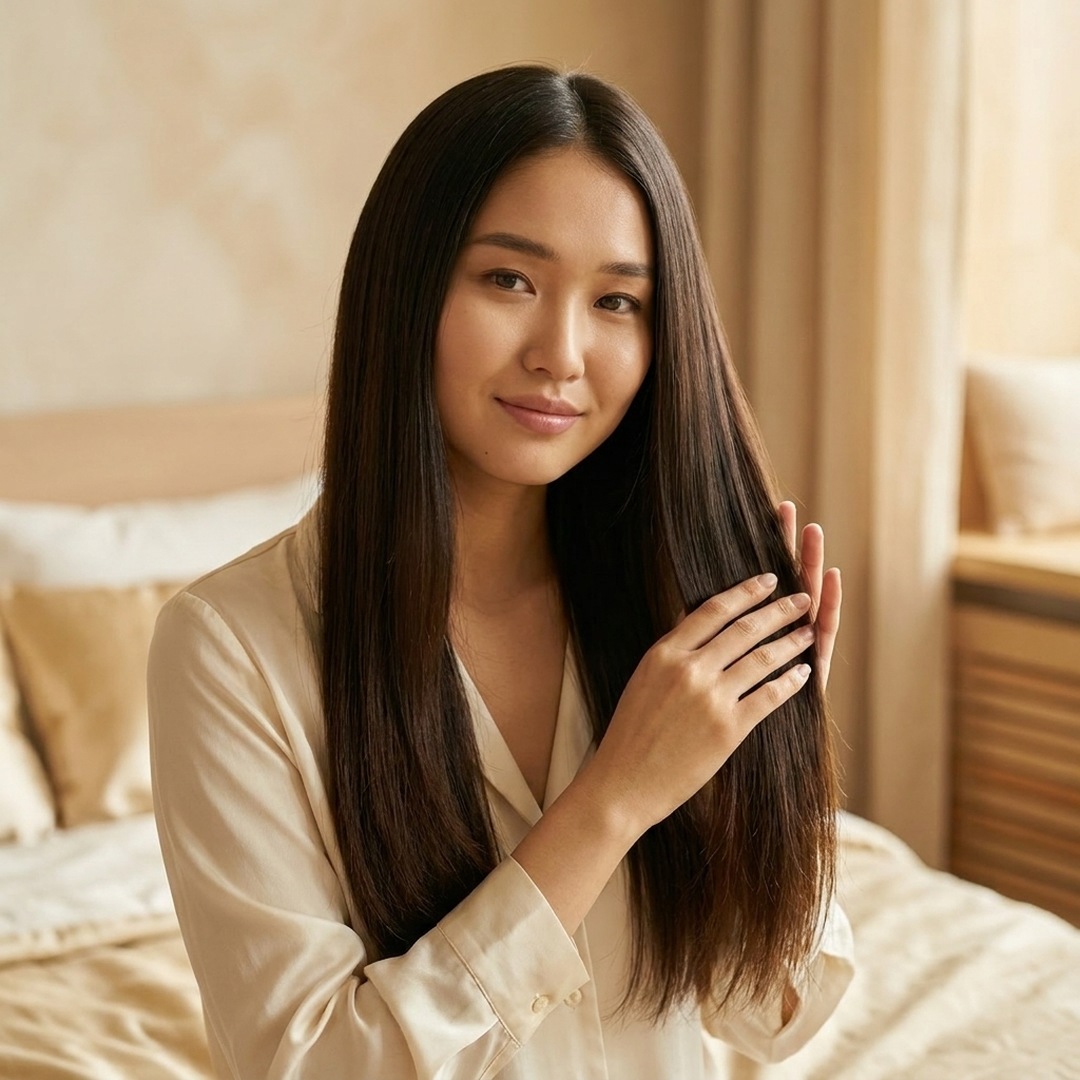
What It Is and How It Works
Regular keratin is a large molecule — it simply can't penetrate the hair and ends up sitting on the surface. That's why cosmetic formulations use hydrolyzed keratin: the protein is broken down (hydrolyzed) into small peptides and amino acids. These fragments are small enough to enter damaged areas of the cuticle and cortex.
The logic is straightforward. The cuticle is made up of overlapping scales on the hair's surface. Colouring, flat irons, blow-drying, and bleaching cause these scales to lift, leaving gaps in the protein structure inside. Hydrolyzed Keratin fills those gaps — it slots into the temporary voids, adds density and resilience, and temporarily smooths down the raised scales. Hair becomes sleeker, less frizzy, more reflective (hence the shine), and easier to detangle.
The key word is reconstructor. It doesn't build new structure or heal damage — it replenishes what's missing in the existing framework. The effect is cumulative with regular use and gradually washes out, which is why this is an ongoing care routine, not a one-time fix. For more on the hair's structure itself, see Hair Structure.
Which Cosmex Products Contain It
We use Hydrolyzed Keratin at a functional concentration — as specified in our formulation guidelines — wherever the goal is to restore density and smoothness to the hair:
- Keratin shampoo and conditioner — the dedicated Keratin line: shampoo, conditioner, mask, and leave-in cream spray. Here, keratin is the star ingredient; the products are built around reconstructing damaged lengths. They work best as a system — learn more about the Keratin line.
- Daily — everyday care: a light protein top-up without overload, to maintain hair structure day to day.
- Botox — for hair that needs smoothing and plumping; keratin delivers that density.
- Heat Defense — thermal protection: keratin helps offset the stress caused by flat irons and blow-dryers.
- OverDose OverBond — recovery for severely damaged hair, where the framework needs to be rebuilt with particular care.
For a full breakdown of the product range, see Cosmex Actives.
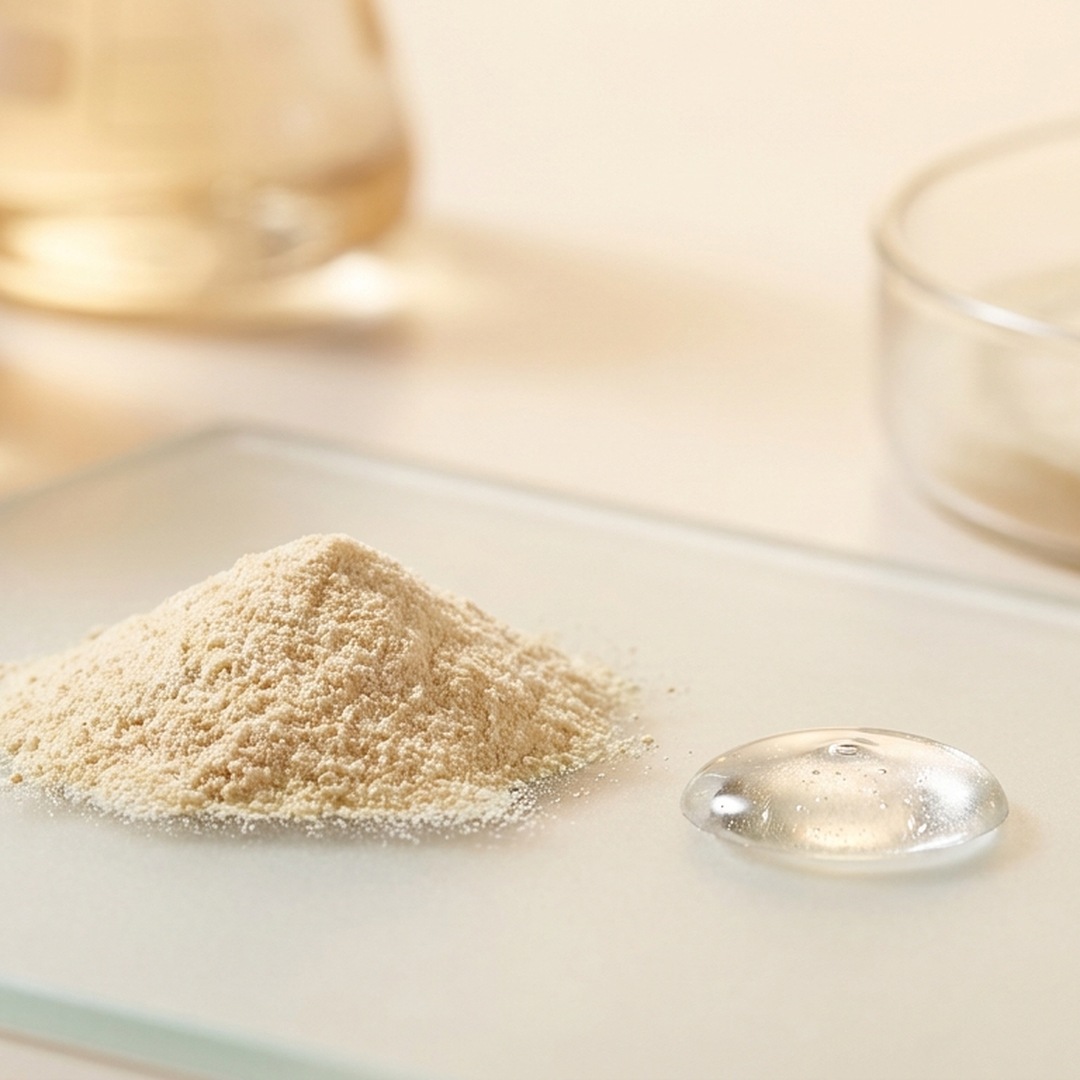
How to Get the Most Out of It
Keratin responds to consistency and balance — not to heavy single applications.
- Use it as a system. The shampoo prepares the hair; the mask or leave-in cream spray delivers the protein. A single use will give you a day or two of shine; a full course delivers noticeable density.
- Apply to damp hair. When hair is wet, the cuticle is slightly open, making it easier for peptides to absorb. Leave the mask on for as long as the packaging states — leaving it on longer won't enhance the effect.
- Don't neglect moisture. Protein adds firmness. To keep hair from feeling stiff, alternate keratin treatments with moisturising ones — or use products where hydration and protein are already balanced.
- Work through the lengths and ends. The roots and scalp don't need reconstruction — the protein is needed by the damaged mid-lengths and ends.
Honestly: What Not to Expect
Hydrolyzed Keratin is an effective reconstructor, but it has real limitations.
- It doesn't revive dead lengths. Hair is not a living structure. Keratin masks and fills damage, temporarily making hair denser and smoother — but it doesn't permanently fix split ends. Severely split ends are better trimmed off; peptides won't fuse them back together.
- Too much protein causes harm. Excess keratin without adequate moisture leads to stiffness, brittleness, and that reverse-straw feeling. This isn't a case of more being better — it's about protein-moisture balance.
- It won't stop hair loss. Keratin works on the hair shaft, not the root or follicle. It has no effect on density or growth. If hair is actively shedding, thinning, or you're experiencing a persistent scalp concern, this is a supportive care product — not a treatment. Consult a trichologist or dermatologist rather than relying on cosmetics in place of a proper assessment.
For a deeper dive into structural repair, there's a dedicated article: Keratin Hair Restoration.
A Quick Look at the Myths
- "Keratin heals hair." No. It replenishes the protein framework and improves appearance, but it doesn't bring dead lengths back to life.
- "The more keratin, the better." No. Without moisture balance, protein creates stiffness.
- "Keratin will stop hair loss." No. It doesn't act on the follicle; for hair loss, see a specialist.


