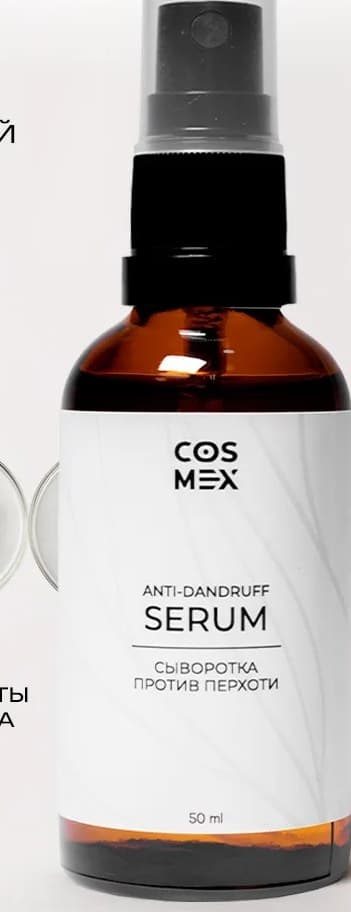
"Use a serum and your skin will transform" — that's the promise on almost every dropper bottle lining the shelves. It sounds like magic in a vial, but let's be straight about it, without the hype and without the lecture. A serum is a practical skincare tool, not a magic wand. This guide breaks it all down in plain terms: what a serum actually is and how it genuinely differs from a moisturiser, what each active ingredient does (simply, without miracle claims), how to work one into your routine safely, and which type suits which skin.
The short version, if you're short on time
- A serum is a concentrate of active ingredients in a lightweight formula. It contains higher levels of actives than a standard moisturiser, and its lighter texture means it absorbs faster.
- A serum doesn't replace your moisturiser — the two work together: actives first (serum), then moisturiser to lock in hydration and support the skin barrier.
- The most well-established, easy-to-understand actives are: hyaluronic acid (hydration), niacinamide (barrier support and even skin tone), vitamin C (radiance and antioxidant protection).
- Results come from consistent, cumulative use — weeks of regularity, not a single application. Don't expect an overnight transformation.
- Serious skin concerns (acne, rosacea, pigmentation, dermatitis) require a dermatologist or skincare specialist, not just a new product.
Now, let's go into detail.
What a serum is and how it differs from a moisturiser
Put simply: a moisturiser is about care and protection, while a serum is about delivering actives. They're not rivals — they're partners.
A moisturiser's main job is to create a comfortable film on the skin: softening it, locking in moisture, supporting the barrier. That's why it has a significant oil phase, a richer texture, and takes longer to absorb.
A serum works differently. It has:
- a higher concentration of active ingredients — the very compounds you're buying the product for;
- a lighter texture — typically water-based or gel-based, without a heavy occlusive film;
- less filler — it doesn't try to be both nourishment and protection at once; it does one job and does it precisely.
Because of that lightweight texture, a serum penetrates the upper layers of the skin more quickly and delivers actives where they can get to work. But precisely because it contains little oil, it doesn't seal in moisture on its own — almost always, a moisturiser needs to go on top. Using a serum without a moisturiser is like watering a plant and leaving the pot in a draught: the moisture will evaporate quickly.
Active ingredients in plain English: who does what
There are many names on labels, but only a handful of reliable everyday workhorses. Here's an honest breakdown — what they can do, and what they can't.
- Hyaluronic acid — hydration. Think of it as a water magnet: it draws and holds moisture in the upper layers of the skin, making it look more plump and supple. One important note: it works with the moisture already present around it, which is exactly why a moisturiser over the top is so important — in dry air, without one, the effect is noticeably weaker.
- Niacinamide — barrier support and even tone. This is a form of vitamin B3 and one of the most skin-friendly actives out there. It helps the skin retain moisture, supports the protective barrier, visually evens out skin tone, and calms the complexion. It tends to be well tolerated even by sensitive skin. For a full breakdown, see our article on niacinamide.
- Vitamin C — radiance and antioxidant protection. It helps skin look fresher and more luminous, and it works as an antioxidant — meaning it helps defend the skin against external aggressors like pollution and urban environments. This is a morning active, loved for that fresh, glowing effect.
And a straightforward caveat: none of these actives will "fix" your skin or erase a wrinkle overnight. They support the skin and improve its condition with regular use. This is skincare, not medicine.
How to add a serum to your routine
The core principle is simple: lightest to heaviest. Serum goes after cleansing, before moisturiser.
Here's the basic layering logic:
- Morning: cleanse → serum (vitamin C or a hydrating formula, for example) → moisturiser → SPF — no exceptions. Sun protection in the morning matters more than any active ingredient — without it, much of your effort goes to waste.
- Evening: cleanse → serum (hydrating or with niacinamide) → moisturiser.
There's no benefit to layering five serums at once — that's not "more results", it's unnecessary stress on the skin and a real risk of irritation. One or two targeted goals at a time work far better: hydration in the morning and barrier support in the evening, for instance.
Which serum suits which skin type
You choose a serum based on what your skin actually needs, not what the packaging looks like. A simple guide:
- Dry, tight skin — a hydrating serum with hyaluronic acid, always followed by a moisturiser.
- Dull, tired-looking skin — vitamin C in the morning for freshness and radiance; for more detail, see our dedicated article.
- Sensitive skin, compromised barrier, redness — niacinamide: gentle and generally well tolerated.
- Oily and combination skin — lightweight, water-based serums without heavy oils; niacinamide tends to work very well here.
And the top piece of advice for beginners: don't chase trending actives straight away. Start with hydration and barrier support — that's the foundation everything else builds on.
How to apply a serum: step by step
- Cleanse your skin. Serum goes on clean skin — otherwise actives have to work through leftover makeup and sebum. Applied to unwashed skin, they largely go to waste.
- Apply to slightly damp skin. Dispense a few drops and distribute them across your face using your fingertips, without dragging or pulling. Slightly damp skin helps hydrating actives perform better.
- Let it absorb. Wait about a minute for the serum to settle in before applying the next layer.
- Seal with a moisturiser. Follow with a moisturiser to lock in hydration and support the barrier. This step is non-negotiable, especially with hydrating serums.
- SPF in the morning. If this is your morning routine, finish with sun protection. Without it, your routine is incomplete.
Common mistakes
- Mixing incompatible actives. Some actives conflict with each other or amplify irritation when used together indiscriminately. For beginners, it's much simpler to keep goals separate: one product, one purpose — not everything at once.
- Expecting results overnight. Serums work cumulatively. Real, visible improvement in skin condition takes weeks of consistent use, not one morning.
- Applying to uncleansed skin. Actives perform poorly on skin that hasn't been cleansed, and the effect is significantly reduced. Always cleanse first.
- Skipping the moisturiser. A serum without a moisturiser — especially a hydrating one — loses half its point: there's nothing to keep the moisture in.
- Switching products every week. Your skin needs time to respond. Constant changes make it impossible to know what's actually working.
Let's be honest: a serum isn't magic
Straight talk, no marketing spin. A serum is a good, practical tool — not a miracle in a bottle. It:
- works as part of a system — alongside cleansing, moisturiser, and sun protection, not instead of them;
- delivers a cumulative effect — we're talking weeks and months of regular use, not a single evening;
- supports and improves skin condition, but doesn't "treat" anything or reverse ageing.
More importantly: if you have a serious skin concern — persistent acne, rosacea, pronounced pigmentation, dermatitis, severe flaking, or itching — that's not a job for a dropper bottle. You need a dermatologist or a professional aesthetician: over-the-counter skincare can't address the root cause of these conditions, and with poorly chosen actives, it can sometimes make things worse. Good skincare is support, not a substitute for medical care — and we say that directly.
Serums and the Cosmex approach
At Cosmex, we take an honest approach to skincare: actives at effective concentrations, with no grand promises. We believe in clear formulas and realistic results, not wonder elixirs that claim to do everything. Read more about this philosophy in our articles on Cosmex active ingredients and natural cosmetics without the myths.
The Cosmex Derma face care line is now available — produced in-house in Almaty, with the same transparency as the rest of our range: face serums addressing six skin concerns (hyaluronic acid, niacinamide, vitamin C, peptides, BHA, centella), eye cream and evening anti-age care, and cleansers with toners — no exaggerated claims, and a straightforward ingredient list.