How long it takes to restore nails after gel polish: the nail grows approximately 1 millimetre per week, so the plate fully renews itself in 3–4 months — that's the honest timeline. It's not the gel polish itself that damages nails, but improper removal: peeling, aggressive filing, and over-soaking with remover. Daily cuticle oil, a strengthening coating, and paraffin therapy all support recovery.
You remove your gel polish — and underneath you find thin, bendy, peeling nails with white spots. Sound familiar? Don't worry: it's fixable, and in most cases the culprit isn't the gel polish itself, but how it was worn and removed. Let's take an honest look at what happens to nails under a coating, how long recovery actually takes, and what genuinely works versus what's just ritual.
The short version, if you're in a hurry
- What damages nails is not gel polish, but improper removal: peeling it off, aggressive filing, over-soaking in remover.
- Nails grow approximately 1 millimetre per week — full plate renewal takes 3–4 months. That's the realistic recovery timeline.
- "Nails need to breathe" is a myth: the plate doesn't breathe. The break isn't for the nails — it's for damaged layers — and if those aren't present, you can wear a coating without any pause.
- The plan that works: daily cuticle oil + strengthening coating + paraffin therapy + wearing gloves whenever your hands get wet.
- If a nail is lifting from the bed or has changed colour, see a nail technician and a doctor — cuticle oil won't fix that.
What actually damaged your nails
- Peeling off the coating. The number one offender. Gel polish bonds to the upper layers of the plate — pull it off and those layers come with it. The white, rough patches are exactly that.
- Aggressive filing. Over-filing with a nail file or e-file drill during prep or removal thins the plate. Do it repeatedly and the nail becomes paper-thin.
- Over-soaking with remover. Acetone-based formulas dissolve not only the coating but also the lipids between keratin layers — leading to dryness and delamination.
- Wearing the coating too long as it grows out. As the coating shifts toward the tip, the stress point moves with it — the nail snaps at the base underneath.
The good news: all of this is damage to the already-grown, non-living part of the nail. The growth zone at the cuticle is almost always intact, and new nail will emerge from it healthy — as long as you support it and stay out of its way.
An honest recovery plan
Weeks 1–2: reduce stress on the nail.
- Keep length short — a damaged plate has nothing to support.
- Cuticle oil 1–2 times a day — the cornerstone of the entire plan. It nourishes the matrix, the "factory" where new nail is formed. More detail in the cuticle oil article.
- Rubber gloves for dishes and cleaning: wet work is the worst enemy of peeling nails.
Weeks 2–6: protect and strengthen.
- A strengthening coating or a restorative nail treatment — a shield against water and physical stress, plus layer consolidation. How to choose one is covered in the strengthening nail polish guide.
- Paraffin therapy 1–2 times a week: warm paraffin deeply heats and nourishes the skin of the hands and the growth zone, boosting microcirculation. A cold cream paraffin at home delivers the same result without heat — how it works.
Months 2–4: grow it out.
- Keep applying oil every day — make it a permanent habit, like hair conditioner.
- File only in one direction with a soft nail file — back-and-forth sawing frays the edge.
- New coating — once the plate has stopped peeling, visit a skilled nail technician: careful prep without heavy filing and proper removal make all the difference.
What not to do: iodine soaks, rubbing lemon on your nails, and similar folk remedies won't bond layers back together. And taking handfuls of "nail vitamins" without testing is largely pointless — if you suspect a deficiency, the more sensible approach is to get blood work done and speak to a doctor.
Which Cosmex products can help
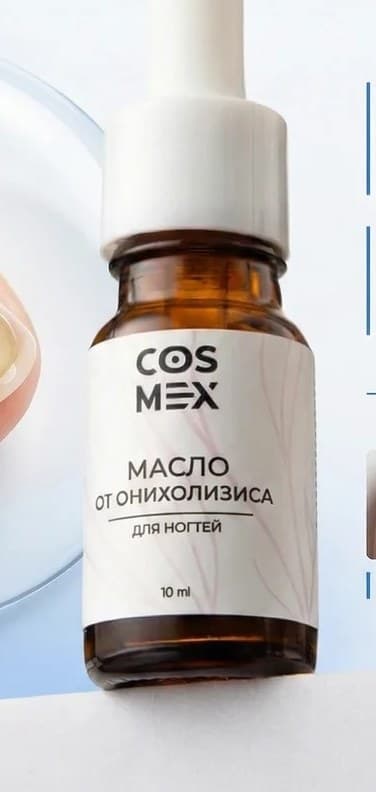
- 7-in-1 Strengthening Nail Oil and dry cuticle oil — daily nourishment for the growth zone.
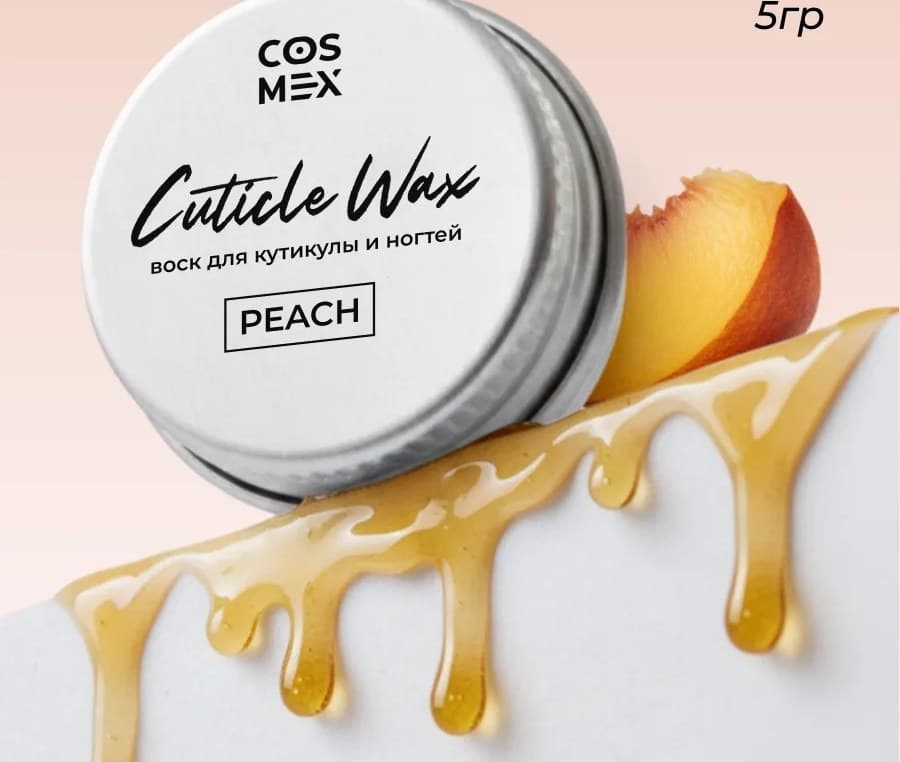
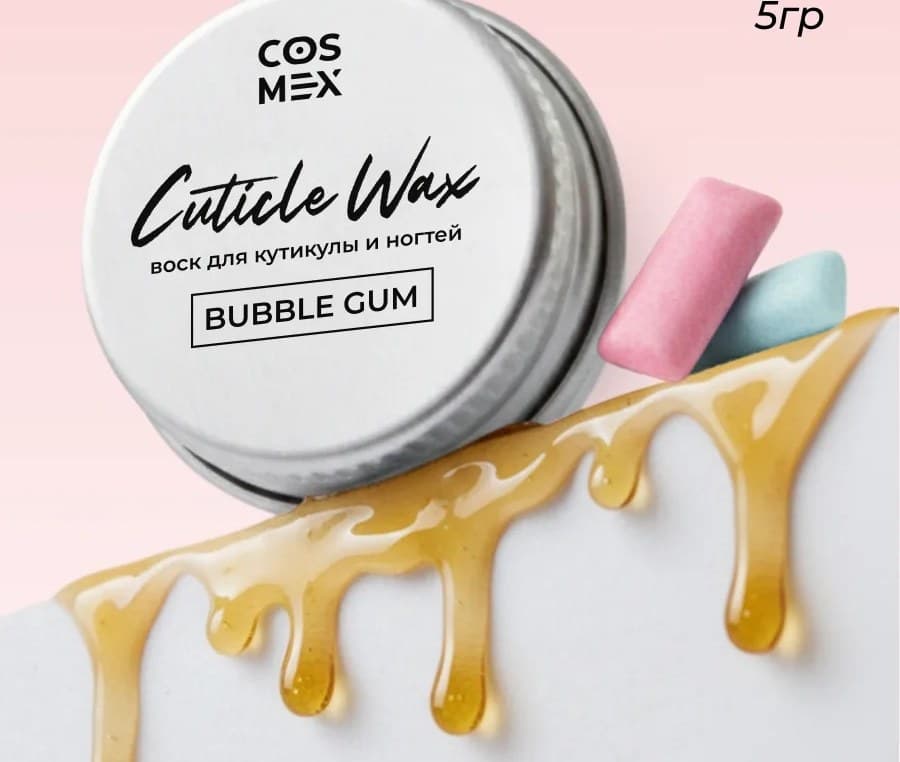
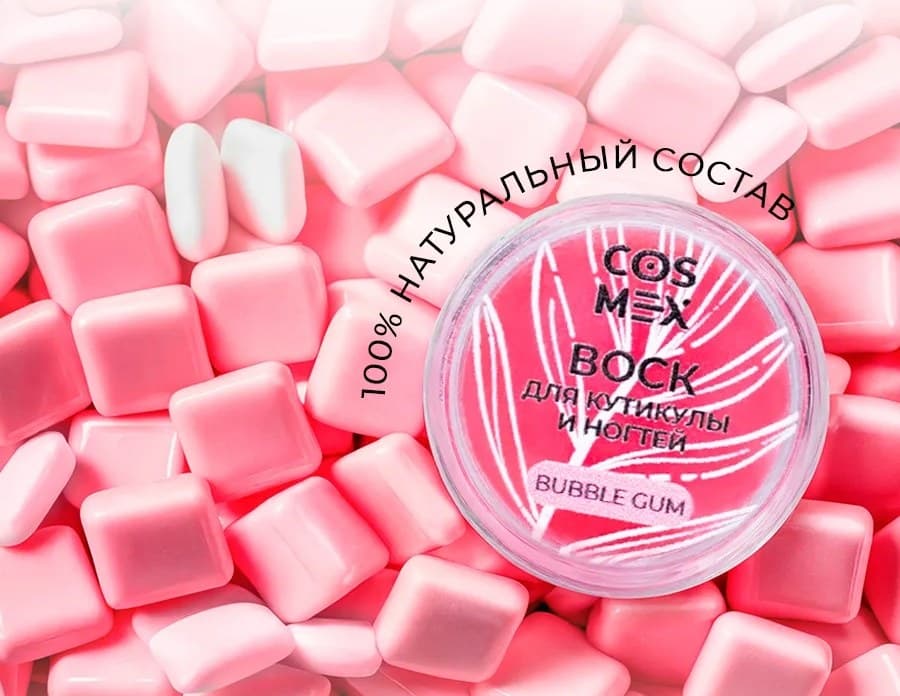
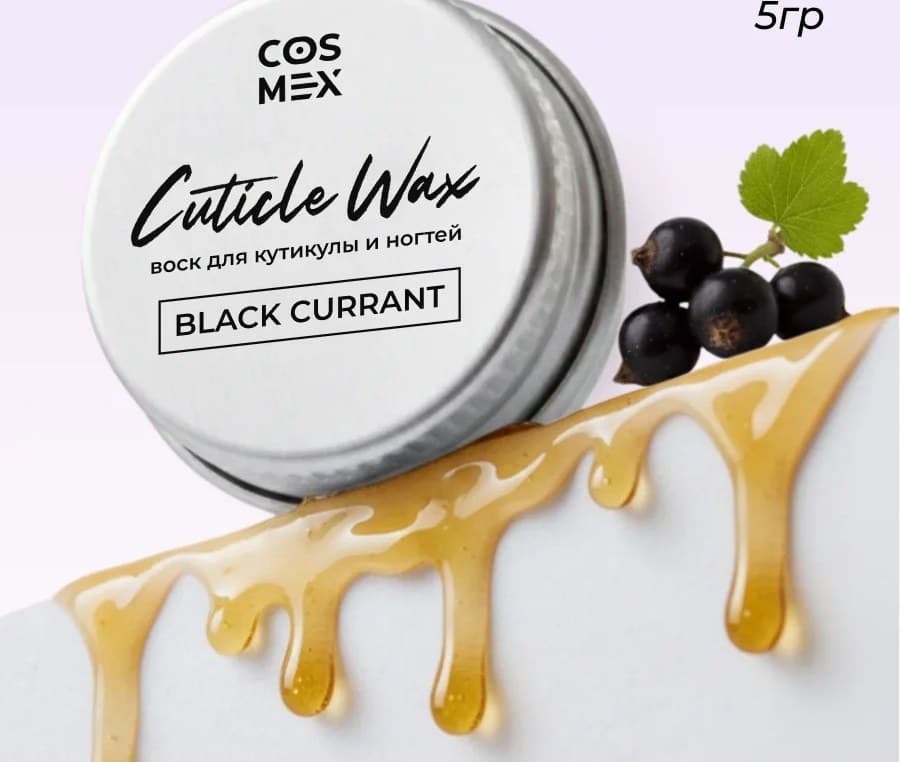
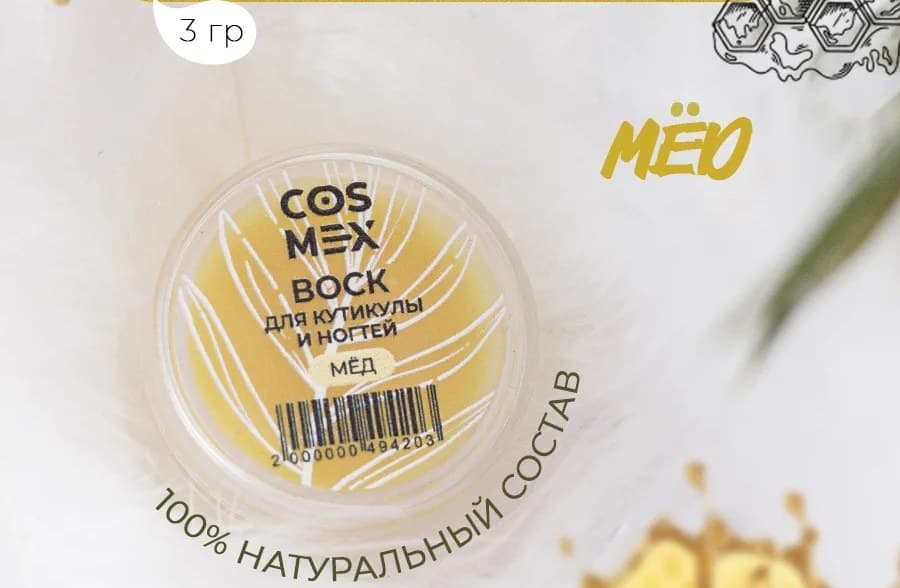
- Cuticle cream-waxes (peach, almond, honey) — a rich overnight moisture seal.
- Nail Therapy Vitamin Repair — a restorative treatment course for damaged nails; Strong Nails and Titanium Hard — protection and strengthening.
- Cold cream paraffins — paraffin therapy at home, no bowl required.
In short: restoring your nails isn't about finding a miracle product — it's 3–4 months of consistent routine (oil + shield + gloves) while new plate grows in. Start tonight with a drop of cuticle oil. And for tips on wearing gel polish next time without the damage, read this.